
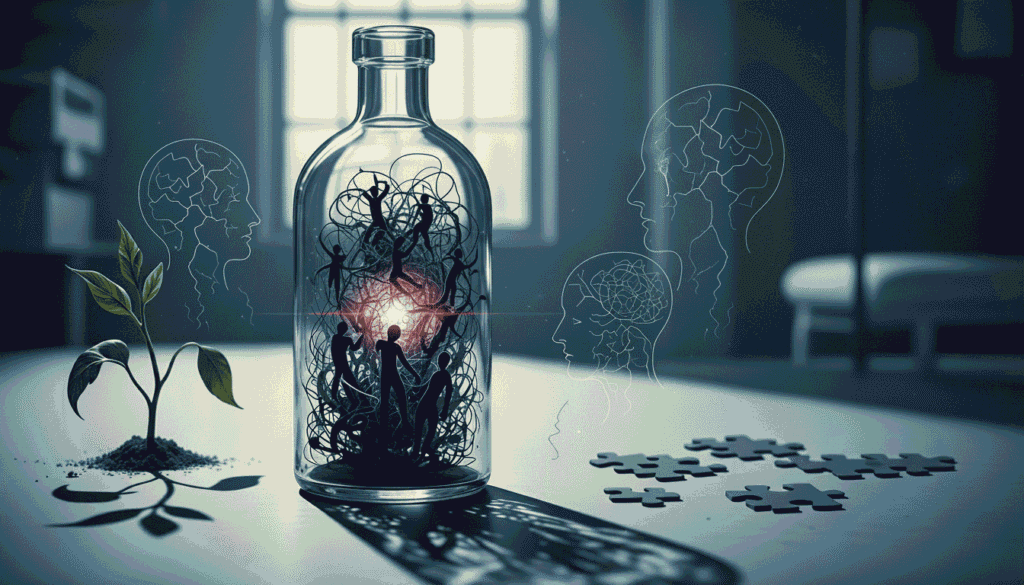
Bottling up emotions means suppressing or ignoring your true feelings instead of expressing them in a healthy way. While it may seem easier to avoid difficult emotions like anger, sadness, or stress, this habit can quietly damage your mental and physical well being over time. Many people in the United States grow up believing they should stay strong and not talk about their emotions, but this mindset often leads to deeper internal struggles.
When emotions are not processed, they don’t disappear they build up. This emotional build up can lead to anxiety, depression, stress, and even physical health issues like headaches or fatigue. Understanding why bottling up emotions is dangerous is the first step toward improving your mental health and learning healthier ways to express what you feel.
What Does Bottling Up Emotions Mean
Bottling up emotions means holding your feelings inside instead of expressing them. Instead of talking about what you feel, you ignore, suppress, or push those emotions away. Over time, these hidden feelings don’t disappear they quietly build up inside you. Many people only realise this when they feel overwhelmed or start searching for ways to talk to someone when feeling lonely.
This habit often develops when someone feels unsafe, judged, or uncomfortable sharing emotions. You may think staying silent protects you, but it actually creates inner pressure. Eventually, those emotions come out in unhealthy ways like stress, anxiety, or sudden emotional reactions.
Why Do People Bottle Up Their Emotions
There are several reasons why people develop this habit:
- Fear of being judged or misunderstood
- Childhood conditioning (e.g., “don’t cry” or “be strong”)
- Cultural or societal expectations
- Avoiding conflict in relationships
- Lack of emotional awareness
- Not knowing how to express feelings
In many cases, people aren’t even aware they are suppressing emotions it becomes a learned behaviour. In many cases, people aren’t even aware they are suppressing emotions it becomes a learned behaviour. Over time, this can increase the need for emotional support and guidance without them even realising it.
What Happens When You Bottle Up Emotions
When you bottle up emotions, your mind does not forget them it keeps processing them in the background. This creates internal pressure, stress, and mental overload, even if you appear calm on the outside. Over time, these suppressed feelings build up and become harder to control. This is why many people eventually seek how emotional support improves mental health.
Instead of disappearing, these emotions often come out in unhealthy ways like anxiety, anger, or sudden emotional breakdowns. Your body may also react with symptoms like headaches, fatigue, or tension, showing that unexpressed emotions are affecting both your mental and physical health.
What Emotional Suppression Does Internally
| Emotional Suppression Habit | Internal Effect |
|---|---|
| Ignoring feelings | Builds internal stress |
| Avoiding expression | Emotional overload |
| Hiding pain | Mental exhaustion |
| Pretending to be okay | Loss of self-awareness |
Your brain continues to process these emotions, which leads to stress and imbalance in your mental health system.
7 Dangerous Effects of Bottling Up Emotions
Suppressing emotions doesn’t solve problems it creates new ones.
1. Anxiety

When emotions are ignored, they don’t disappear they build up inside. This often turns into constant worry, restlessness, and overthinking. You may feel uneasy without knowing why, because those buried feelings are trying to surface.
2. Depression
Suppressing emotions for too long can lead to deep sadness and lack of motivation. You might feel empty, disconnected, or lose interest in things you once enjoyed. It’s your mind’s way of saying something inside needs attention.
3. Emotional Numbness
When you constantly avoid feelings, your brain starts shutting them down completely. You stop feeling both pain and joy, leading to a dull, empty state. It feels like you’re just existing, not truly living.
4. Anger Outbursts
Unexpressed emotions often come out as sudden anger. Small things can trigger big reactions because the pressure has been building inside. It’s not just anger it’s everything you haven’t processed.
5. Physical Health Problems

Emotions don’t just stay in your mind they affect your body too. You may experience headaches, fatigue, or even stomach issues. Your body often reacts when your emotions are not properly released.
6. Relationship Issues
When you don’t understand or express your emotions, it becomes hard to connect with others. Misunderstandings, distance, and frustration start to grow. Healthy communication becomes difficult when feelings are bottled up.
7. Low Self Awareness
Ignoring emotions makes it harder to understand yourself. You may struggle to know what you truly feel or need. Over time, this disconnect can affect your decisions and personal growth.
How Bottling Up Emotions Affects Your Mental Health
Bottling up emotions puts constant pressure on your mind, leading to anxiety, stress, and emotional exhaustion. When feelings are ignored, they don’t go away they build up and can turn into depression or sudden emotional breakdowns. Over time, this makes it harder to understand yourself, manage emotions, and maintain mental balance. Over time, this can develop into serious mental health conditions like anxiety disorders and depression. In many cases, people begin looking for safe ways to talk to someone about stress before it becomes overwhelming.
When you suppress feelings:
- Your stress hormones (like cortisol) increase
- Your nervous system stays in a constant “alert” mode
- Your brain struggles to regulate emotions
This leads to:
- Chronic stress
- Emotional burnout
- Mental fatigue
Over time, this can develop into serious mental health conditions like anxiety disorders and depression.
Physical Symptoms of Suppressed Emotions
Physical symptoms of suppressed emotions appear when your body carries stress that your mind is trying to ignore. When you hold in feelings like anger, sadness, or anxiety, your nervous system stays activated, which can lead to headaches, muscle tension, chest tightness, and constant fatigue.
Over time, this emotional pressure can affect your overall health, causing sleep problems, digestive issues, and low energy. Your body is often the first to signal that something is wrong, even when you’re not fully aware of your emotions.
Emotional Suppression and Physical Symptoms
| Emotion Suppressed | Physical Symptom |
|---|---|
| Stress | Headaches |
| Anxiety | Chest tightness |
| Anger | High blood pressure |
| Sadness | Fatigue |
| Fear | Digestive issues |
This is because your mind and body are deeply connected.
Signs You Are Bottling Up Emotions
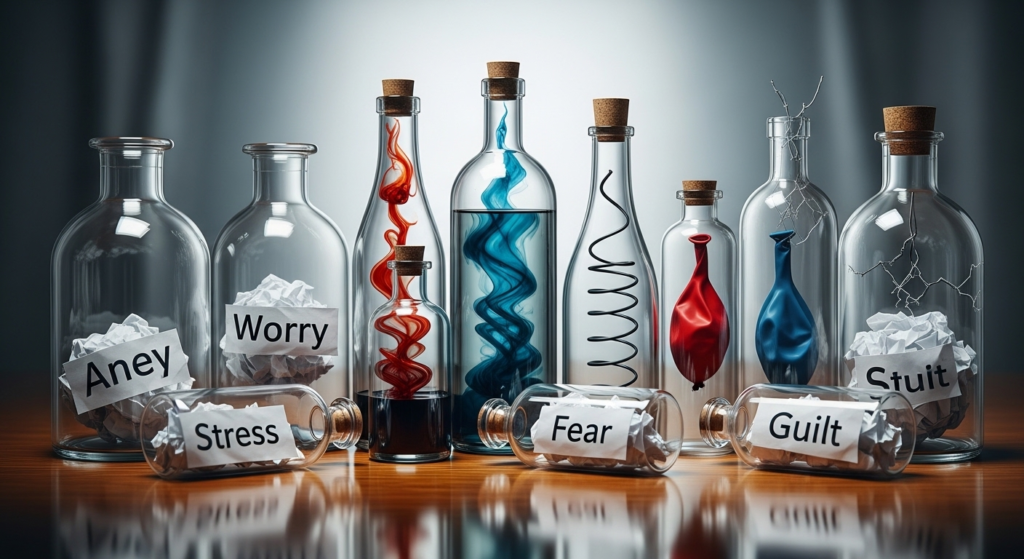
You might be suppressing emotions without realizing it.
Here are common signs:
- You overthink everything
- You feel emotionally numb
- You get irritated easily
- You avoid deep conversations
- You feel constantly stressed
- You distract yourself to avoid feelings
- You say “I’m fine” when you’re not
Recognizing these signs is the first step toward change.
Long Term Effects of Emotional Suppression
Long term emotional suppression can slowly damage both your mental and physical well-being. It may lead to chronic stress, anxiety, depression, and even issues like fatigue or headaches as your body carries the emotional burden. Over time, it also affects relationships and self-awareness, making it harder to connect with others or understand your own feelings.
- Chronic anxiety
- Depression
- Burnout
- Emotional disconnection
- Poor decision-making
- Relationship breakdown
Over time, suppressed emotions can shape your personality and behavior in unhealthy ways.
Healthy Ways to Stop Bottling Up Emotions
Stopping the habit of bottling up emotions starts with small, simple actions. Begin by allowing yourself to feel without judgment your emotions are valid, even if they are uncomfortable. Talking to someone you trust, writing your thoughts in a journal, or taking a quiet moment to reflect can help release what you’ve been holding inside.
Over time, building healthy habits like mindfulness, regular self-check-ins, and seeking support when needed can improve your emotional awareness. The goal is not to control or hide your emotions, but to understand and express them in a way that feels safe and natural.
Healthy Alternatives to Emotional Suppression
| Healthy Habit | Benefit |
|---|---|
| Talking to someone | Emotional release |
| Journaling | Clarity and self-awareness |
| Therapy | Deep emotional healing |
| Mindfulness | Better emotional control |
| Exercise | Stress reduction |
How to Express Emotions in a Healthy Way

Here’s a simple step by step approach:
1. Identify What You Feel
The first step is simply noticing your emotions without judging them. Ask yourself what you’re really feeling beneath the surface. Awareness helps you take control instead of being overwhelmed.
2. Accept the Emotion
Every emotion has a purpose, even the uncomfortable ones. Instead of fighting it, allow yourself to feel it fully. Acceptance reduces inner conflict and helps you process emotions in a healthy way.
3. Express It Safely
Find healthy ways to release your emotions like talking, writing, or creative activities. Keeping everything inside only increases the pressure. Safe expression helps you feel lighter and more in control.
4. Understand the Cause
Try to explore why you feel a certain way. Often, emotions are linked to past experiences or unmet needs. Understanding the root helps you respond better instead of reacting blindly.
5. Take Action
Once you understand your emotions, take small steps to improve your situation. This could mean setting boundaries, seeking support, or changing habits. Action turns awareness into real emotional healing.
When to Seek Help
Sometimes, emotions become too overwhelming to handle alone.
You should consider seeking help if:
- You feel constant anxiety or sadness
- Your emotions affect your daily life
- You experience emotional breakdowns
- You feel stuck or numb
Talking to a professional or using an emotional support platform can make a significant difference.
If you need someone to listen, services like:
- Emotional Support Therapy
- Anxiety Therapy
- Depression Support
- Talk to Someone Online
can help you feel heard and supported.
Why Expressing Emotions Is a Strength
Many people believe expressing emotions is a weakness.
But in reality:
- It improves mental clarity
- Strengthens relationships
- Builds emotional intelligence
- Helps you heal faster
Being open about your emotions is one of the strongest things you can do for your mental health.
Final Thoughts
Bottling up emotions might feel like a temporary solution, but it creates long term problems. Your emotions are not the enemy they are signals that something needs attention.
The more you ignore them, the louder they become.
But when you start expressing your emotions in a healthy way, everything changes. You feel lighter, clearer, and more in control of your life.
If you’ve been holding everything inside, this is your sign to stop.
You don’t have to carry it all alone.
You have not enough Humanizer words left. Upgrade your Surfer plan.
FAQs
1. Is bottling up emotions bad for your mental health
Yes, bottling up emotions can negatively affect your mental health. When you suppress feelings instead of expressing them, they build up over time and can lead to anxiety, depression, and emotional stress. Emotional suppression prevents proper emotional regulation and can make it harder to cope with daily challenges.
2. What happens if you keep your emotions bottled up?
If you keep your emotions bottled up, they don’t go away they accumulate. Over time, this can cause emotional overload, leading to sudden anger outbursts, mood swings, or feelings of numbness. It can also increase stress levels and impact both mental and physical health.
3. Can suppressing emotions cause anxiety and depression?
Yes, suppressing emotions is strongly linked to anxiety and depression. When emotions are not processed, the brain stays in a constant stress state, increasing cortisol levels. This can lead to chronic anxiety, low mood, and long-term mental health conditions.
4. What are the signs of bottling up emotions?
Common signs of bottling up emotions include overthinking, emotional numbness, irritability, avoiding deep conversations, and feeling constantly stressed. People may also struggle to identify or express their feelings clearly.
5. How does bottling up emotions affect the body?
Bottling up emotions can lead to physical symptoms such as headaches, fatigue, chest tightness, digestive issues, and high blood pressure. The body often stores emotional stress, which can impact overall health over time.
6. Why do people suppress their emotions?
People suppress their emotions due to fear of judgment, cultural or societal expectations, past experiences, or not knowing how to express feelings. In many cases, it becomes a learned behavior from childhood.
7. How can I stop bottling up my emotions?
You can stop bottling up emotions by practicing emotional awareness, talking to someone you trust, journaling your thoughts, and seeking professional support if needed. Healthy emotional expression helps improve mental clarity and overall well being.
8. Is it healthy to express your emotions?
Yes, expressing emotions in a healthy way is essential for mental health. It helps reduce stress, improves relationships, and supports emotional healing. Suppressing emotions, on the other hand, can lead to long term psychological issues.