
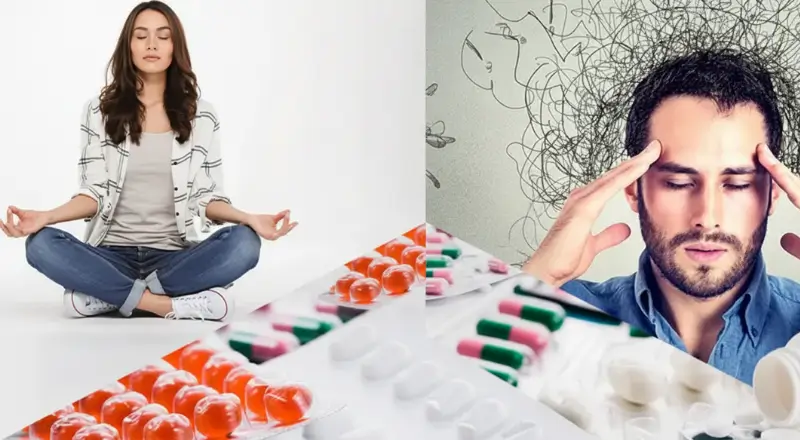
Anxiety can make normal life feel hard. You may panic before meetings, overthink at night, or feel tense all day. The good news is this: anxiety is treatable, and many anxiety treatment techniques really do work.
This guide covers simple, proven ways to reduce anxiety. You will learn what helps fast, what helps over time, and when online anxiety therapy or professional support makes sense
The best anxiety relief methods in 2026 include breathing exercises, CBT techniques, grounding, exposure therapy, mindfulness, exercise, journaling, better sleep, fewer triggers, and online anxiety therapy. Some tools calm anxiety in minutes. Others help you change the pattern for good.
What Are Good Techniques for Anxiety?
Good techniques for anxiety are simple, safe, and easy to repeat. They should help your mind and your body. That matters because anxiety is not just a thought problem. It is also a nervous system problem.
A good technique should fit a real moment in life. If you panic before a presentation, breathing may help first. If you overthink every night, CBT, journaling, or sleep changes may help more. The best anxiety treatment methods match the problem in front of you.
1. Anxiety Treatment Breathing Techniques
Breathing is one of the fastest anxiety treatment techniques because it helps calm the nervous system in real time. If you feel panic, chest tightness, racing thoughts, or stress before a meeting, slow breathing can help reduce anxiety quickly.
What This Helps With
Breathing techniques help when anxiety hits fast. They are useful for panic attacks, stress before meetings, chest tightness, and racing thoughts.
They work well because anxiety often changes your breathing first. When you slow your breathing, your body starts to calm down too.
How to Do It
Try this simple method:
- Breathe in through your nose for 4 seconds
- Breathe out slowly for 6 seconds
- Repeat for 1 to 2 minutes
Keep your shoulders relaxed. Let your belly rise more than your chest.
Real-Life Example
You are about to speak in a meeting. Your hands feel shaky and your heart is racing. You take slow breaths for one minute before you start.
That small step helps your body settle. You may still feel nervous, but you feel more in control.
Why It Works
Slow breathing tells your nervous system that you are safe. It lowers the fight or flight response and reduces panic symptoms.
This is one of the fastest anxiety relief methods because it works in the moment.
2. Cognitive Behavioral Therapy Techniques
Cognitive Behavioural Therapy, also called CBT, is one of the most effective anxiety treatment methods for overthinking, fear, and negative thinking. It helps you notice anxious thoughts, question them, and replace them with more balanced thinking.
What This Helps With
CBT helps with overthinking, worry, fear of failure, and negative thinking. It is useful when your mind keeps jumping to the worst-case outcome.
Many people with anxiety believe every fearful thought. CBT teaches you to question those thoughts instead of obeying them.
How to Do It
Use this simple CBT step:
- Write the anxious thought
- Ask, “Is this fact or fear?”
- Look for real evidence
- Replace it with a more balanced thought
Do not try to force happy thoughts. Aim for fair and realistic thinking.
Real-Life Example
Your friend does not reply to your message. Your mind says, “They must be upset with me.” You stop and ask yourself if you really know that.
You realise there may be many reasons for the delay. That helps the anxiety drop.
Why It Works
CBT breaks the cycle between fear and reaction. It helps your brain slow down and think more clearly.
Over time, this reduces overthinking and helps you respond in a calmer way.
3. Grounding Techniques for Panic Attacks
Grounding techniques are useful when panic attacks or anxiety symptoms make you feel disconnected, dizzy, or out of control. These anxiety relief methods help bring your focus back to the present moment and reduce the panic spiral.
What This Helps With
Grounding helps when panic feels intense. It is useful when you feel dizzy, disconnected, shaky, or out of control.
It works best when your mind is trapped in fear and your body feels overloaded.
How to Do It
Try the 5 4 3 2 1 method:
- 5 things you can see
- 4 things you can touch
- 3 things you can hear
- 2 things you can smell
- 1 thing you can taste
Say each one slowly. Focus on what is real around you.
Real-Life Example
You are in a shop and suddenly feel panic rising. Your chest tightens and you want to run out.
Instead, you pause and name what you see and hear around you. That helps bring you back to the present moment.
Why It Works
Grounding shifts your focus away from fear inside your body. It brings your attention back to the outside world.
That helps stop the panic spiral and makes you feel steadier.
4. Exposure Therapy for Anxiety
Exposure therapy for anxiety helps when fear makes you avoid people, places, or situations. It is one of the strongest anxiety treatment approaches because it teaches your brain that discomfort is not always danger.
What This Helps With
Exposure therapy helps when anxiety makes you avoid things. This can include phone calls, crowds, travel, social events, or public speaking.
Avoidance feels safe at first, but it usually makes anxiety stronger over time.
How to Do It
Start small:
- Make a list of things you avoid
- Put them in order from easiest to hardest
- Start with the smallest step
- Repeat it until it feels less scary
- Move to the next step
Go slowly. The goal is progress, not pressure.
Real-Life Example
You feel anxious speaking to new people. First, you say hello to one person. Later, you ask a simple question in a small group.
With practice, the fear starts to feel smaller and more manageable.
Why It Works
Avoidance maintains anxiety by preventing your brain from updating its threat assessment. Exposure allows your nervous system to learn through real experience — not reassurance. For complex or severe avoidance, working with a trained therapist at Hear Inside’s anxiety therapy sessions can make the exposure process safer and more structured.
5. Mindfulness and Meditation for Anxiety
Mindfulness and meditation for anxiety help when your mind feels busy, loud, and stuck in future worry. These anxiety treatment techniques train your attention and help you step out of constant overthinking.
What This Helps With
Mindfulness helps when your mind feels busy all the time. It is useful for overthinking, stress, and replaying conversations in your head.
It helps you focus on what is happening now instead of getting lost in future fear.
How to Do It
Keep it simple:
- Sit quietly for 2 to 5 minutes
- Focus on your breathing
- Notice thoughts without chasing them
- Bring your attention back to your breath
You do not need to stop thinking. You only need to stop following every thought.
Real-Life Example
You are in bed, tired, but your mind keeps jumping from one worry to another. You pause and focus only on your breathing for two minutes.
This helps slow the mental noise and makes you feel calmer.
Why It Works
Mindfulness trains your attention. It helps you notice fear without feeding it.
Over time, it can reduce rumination and help you feel more emotionally steady.
6. Physical Exercise and Anxiety Relief
Physical exercise and anxiety relief often go together because anxiety creates tension, restlessness, and stress in the body. Movement helps release that built-up energy and supports better mood, sleep, and emotional balance.
What This Helps With
Exercise helps when anxiety sits in your body. It is useful for tension, restlessness, stress, and low mood.
Many people with anxiety feel physically wired. Movement helps release that energy.
How to Do It
You can start with:
- A 10 to 20 minute walk
- Light stretching
- A short home workout
- Yoga or cycling
Pick something simple that you can repeat most days.
Real-Life Example
After work, your shoulders feel tight and your thoughts feel heavy. Instead of sitting with your phone, you go for a short walk.
When you come back, you feel lighter and less tense.
Why It Works
Exercise increases serotonin and BDNF (brain-derived neurotrophic factor), both of which support emotional regulation and reduce anxiety sensitivity. It also interrupts the sedentary rumination cycle that anxiety tends to thrive in. Alongside emotional therapy session, regular movement is one of the most powerful anxiety relief methods available without a prescription.
7. Journaling for Emotional Regulation
Journaling for emotional regulation is a simple way to slow down anxious thoughts and understand what is really bothering you. It works well for stress, mental clutter, and overthinking because it turns messy feelings into clear words.
What This Helps With
Journaling is particularly useful for stress accumulation, emotional overload, recurring worry patterns, and processing difficult experiences. It is also a strong complement to emotional support therapy, helping you identify and articulate patterns before or between sessions.
How to Do It
Write for a few minutes using these prompts:
- What am I feeling?
- What triggered it?
- What can I control today?
Do not worry about grammar. Just write honestly.
Real-Life Example
You wake up feeling uneasy but do not know why. After writing for five minutes, you realize you are worried about money and a hard conversation.
Once you see the problem clearly, it feels less overwhelming.
Why It Works
Journaling clears mental clutter. It helps you notice patterns, triggers, and repeated fears.
That makes your emotions easier to understand and manage.
8. Sleep Improvement Techniques for Anxiety
Sleep improvement techniques for anxiety matter because poor sleep can make anxiety symptoms stronger the next day. Better sleep helps your brain and body recover, which makes it easier to handle stress, panic, and overthinking.
What This Helps With
Sleep support helps when anxiety gets worse at night or when poor sleep makes your next day harder.
Anxiety and sleep problems often feed each other. Poor sleep can make your mind more reactive.
How to Do It
Try these simple sleep habits:
- Go to bed at the same time each night
- Stop screens before bed
- Keep your room cool and dark
- Get out of bed if you cannot sleep
Small changes can make a big difference over time.
Real-Life Example
You scroll on your phone until late, then wonder why your mind will not settle. The next day you feel more anxious and tired.
When you reduce screen time and keep a better bedtime routine, your sleep starts to improve.
Why It Works
Sleep is when the brain consolidates emotional memories, clears metabolic waste, and resets the stress response system. Without adequate sleep, the prefrontal cortex — responsible for rational thought and emotional regulation — is significantly impaired. If anxiety is affecting your sleep severely, speaking with a therapist through Hear Inside’s stress therapy sessions can help you address both issues together.
9. Limiting Stimulants and Anxiety Triggers
Limiting stimulants and anxiety triggers can reduce the stress load on your body. Caffeine, alcohol, too much screen time, poor meals, and overstimulating routines can all make anxiety symptoms feel worse.
What This Helps With
This helps when anxiety gets worse from caffeine, alcohol, social media, poor meals, or stressful routines.
Sometimes the trigger is not only emotional. It can also be physical.
How to Do It
Start by reducing what makes symptoms worse:
- Cut down caffeine after noon
- Limit alcohol if it affects your mood
- Take breaks from social media
- Eat regular meals
- Notice your patterns
Track what happens after certain habits. That helps you find your real triggers.
Real-Life Example
You drink too much coffee, skip lunch, and scroll stressful news all day. By evening, your heart feels jumpy and your mind feels overwhelmed.
When you change those habits, the anxiety feels less intense.
Why It Works
Reducing triggers lowers the stress load on your body. It also makes other anxiety treatment methods work better.
This is a practical step that many people ignore.
10. Online Anxiety Therapy and Support
Online anxiety therapy and support are useful when self-help is no longer enough. If anxiety keeps affecting your sleep, work, parenting, relationships, or daily functioning, therapy can give you structure, coping skills, and expert support.
What This Helps With
Online anxiety therapy helps when self-help is not enough. It is useful for panic attacks, social anxiety, health anxiety, general anxiety, and long-term stress.
It is also a good option for people who want private support from home.
How to Do It
Start by finding a qualified therapist or online therapy platform. Look for support that focuses on anxiety, CBT, coping skills, or emotional regulation.
You do not need to wait until things get severe. Early support often helps more.
Real-Life Example
You try breathing, journaling, and better sleep, but you still panic before leaving the house. A therapist helps you understand the pattern and build a step-by-step plan.
That support gives you structure and makes progress easier.
Why It Works
Therapy gives you expert guidance, not just advice. It helps you work on the real cause of the anxiety, not only the symptoms.
Professional support can help when self-help is no longer enoug
How Anxiety Affects Relationships and Emotional Connection
Anxiety does not exist in isolation. It shapes how you communicate, how much you trust others, how you behave under pressure in partnerships, and how emotionally available you can be. Anxious individuals often find themselves caught in patterns of people-pleasing, conflict avoidance, or emotional withdrawal — not because they lack care, but because anxiety makes vulnerability feel unsafe.
If anxiety is straining your relationship or creating emotional distance between you and a partner, couples emotional support can help both of you understand how anxiety is operating between you — and build communication patterns that reduce reactivity and deepen connection.
Anxiety can also affect children significantly. Children experiencing anxiety often cannot identify or articulate what they feel, which means it surfaces as behaviour — irritability, avoidance, school refusal, or physical complaints. Child emotional support provides age-appropriate tools and professional guidance for families navigating childhood anxiety.
When Anxiety Overlaps With Other Emotional Health Conditions
Anxiety rarely travels alone. It commonly co-exists with depression, burnout, grief, loneliness, and the emotional aftermath of difficult life transitions such as breakups or relationship endings. Understanding these overlaps matters because treating anxiety in isolation — when another condition is also present — often produces limited results.
- Anxiety and depression: These two conditions share neurological roots and reinforce each other. Depression therapy can address the low mood, hopelessness, and fatigue that often sit beneath or alongside anxiety.
- Anxiety and loneliness: Social anxiety in particular feeds isolation, which deepens loneliness and raises overall emotional distress. Loneliness therapy helps people rebuild connection safely and gradually.
- Anxiety and breakup grief: The end of a significant relationship triggers grief, rejection sensitivity, and often an acute spike in anxiety. Breakup therapy supports emotional processing during this particularly vulnerable period.
- Anxiety and chronic stress: Prolonged stress is one of the primary drivers of anxiety disorders. Stress therapy identifies your specific stressors and builds a personalised resilience framework.
If you are unsure where to begin, the Hear Inside sessions overview provides a clear guide to all available support options. You can also contact the team directly to discuss which approach is most appropriate for your situation.
What to Expect From Anxiety Therapy: A Realistic Timeline
One of the most common questions people have before starting therapy is how long it will take to feel better. The honest answer is that it depends on the type, severity, and history of the anxiety — but most people begin noticing meaningful improvements within four to eight weeks of consistent work, whether through self-help techniques or structured therapy.
Here is a general framework for what progress tends to look like:
- Weeks 1–2: Breathing, grounding, and sleep techniques begin reducing the acute intensity of anxiety symptoms.
- Weeks 3–6: CBT and journaling begin shifting automatic thought patterns; anxiety episodes become shorter and less overwhelming.
- Months 2–4: Exposure work and therapy begin addressing avoidance patterns; confidence in managing anxiety increases.
- Months 4+: Lasting cognitive and behavioural change consolidates; anxiety no longer dominates daily decision-making.
Progress is rarely linear. Some weeks feel like significant steps forward; others may feel like regression. That is a normal part of anxiety treatment — not evidence that the techniques are failing. If you want professional guidance through this process, Hear Inside’s qualified therapists specialise in creating personalised plans that adapt to your pace and needs.
Choosing the Right Anxiety Treatment Approach for You
Not every technique works equally well for every person or every type of anxiety. The most effective approach is typically one that matches your anxiety profile — its triggers, its patterns, and how it shows up in your body, thoughts, and behaviour.
Use this as a quick reference:
- If your anxiety is mostly physical (tension, racing heart, shallow breath) → start with breathing techniques and exercise.
- If your anxiety is mostly cognitive (overthinking, catastrophising, rumination) → start with CBT and journaling.
- If your anxiety produces panic attacks → grounding techniques are your most immediate tool.
- If anxiety makes you avoid situations → exposure therapy is the most targeted approach.
- If anxiety affects your sleep consistently → sleep hygiene and trigger reduction create the foundation everything else builds on.
- If self-help alone is not enough → professional anxiety therapy provides the structure, insight, and accountability to accelerate your progress.
Not sure where to start? The Hear Inside FAQ answers common questions about therapy sessions, what to expect, and how to book. You can also explore emotional support calls as a lower-commitment first step if you want to speak with someone before committing to a therapy programmed.
Frequently Asked Questions About Anxiety Treatment
What is the most effective technique for treating anxiety quickly?
Breathing techniques work fastest because they directly calm your nervous system. When you inhale for 4 seconds and exhale for 6 seconds, your body shifts out of panic mode within minutes. Grounding methods like focusing on your surroundings also help in sudden anxiety or panic attacks. These are for quick relief, while therapy methods like CBT help fix the root cause over time.
Can anxiety be treated without medication?
Yes, many people manage anxiety without medication by using therapy, daily habits, and structured techniques. Methods like CBT, mindfulness, exercise, and better sleep have strong results. Medication is only needed in more severe cases. In many situations, therapy alone is enough to reduce symptoms and help you regain control.
How long does it take for anxiety treatment techniques to work?
Some techniques like breathing and grounding work within minutes for immediate relief. Thought-based methods like CBT or journaling usually show results in a few weeks if practiced consistently. Long-term improvement often takes a few months, depending on how severe the anxiety is and how regularly you apply the techniques.
What is the difference between anxiety therapy and emotional support?
Anxiety therapy is structured and focuses on identifying and changing patterns that cause anxiety. Emotional support focuses on giving you a safe space to talk, feel understood, and release pressure. Therapy solves the problem, while emotional support helps you cope and feel less alone. Many people benefit from using both together.
Is online anxiety therapy as effective as in-person therapy?
Yes, research shows online therapy works just as well as in-person sessions for anxiety. It removes barriers like travel, time, and social discomfort. For many people, being in their own space makes it easier to open up and stay consistent with sessions.
Can anxiety affect children, and what support is available?
Yes, children can experience anxiety, but it often shows differently such as fear, irritability, sleep problems, or avoiding school. Early support is important. Child-focused therapy and emotional support help children understand their feelings and feel safe again.
When should I seek professional help for anxiety?
You should seek help when anxiety starts affecting your daily life, relationships, sleep, or work. If you avoid situations, feel constant worry, or do not see improvement after trying on your own, it is time to get support. You do not need to wait for it to get worse.
Can couples therapy help with anxiety?
Yes, especially when anxiety is affecting communication or emotional connection. Couples therapy helps both partners understand the anxiety, reduce conflict, and support each other better instead of feeling disconnected.