
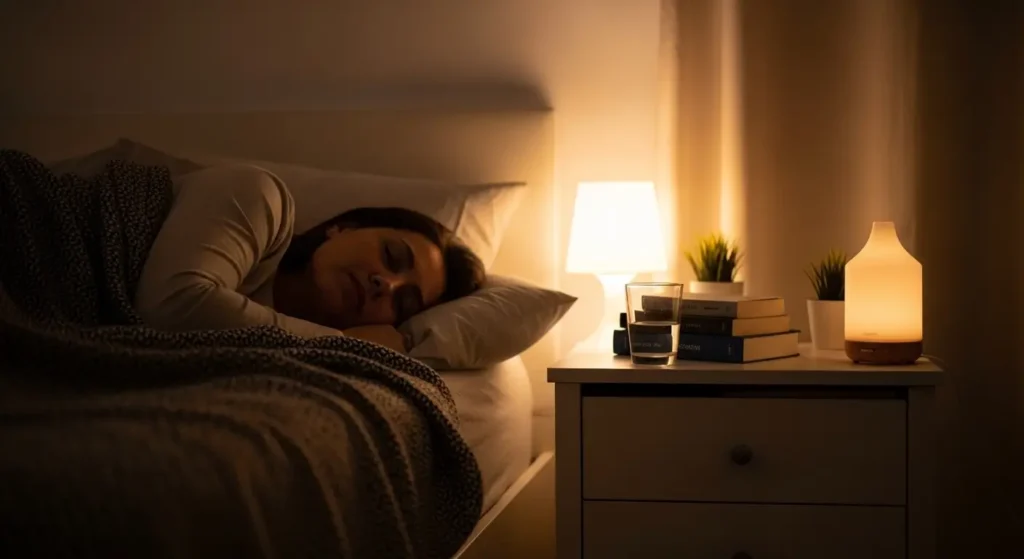
Sometimes the hardest part of the day begins when everything gets quiet. Your body feels tired, but your mind keeps replaying conversations, worries, mistakes, or fears. If you are trying to stop overthinking alone at night, you are not weak or broken. Many people experience racing thoughts when they finally slow down after a stressful day.
Stop overthinking alone at night can make you feel emotionally exhausted, disconnected, and lonely. The good news is that small emotional and mental changes can help calm your thoughts. You do not need to handle everything by yourself. Talking to someone, even for a few minutes, can make the pressure feel lighter.
Why Overthinking Gets Worse at Night
Overthinking often becomes stronger at night because your mind finally slows down after a busy day. During the day, work, phones, conversations, and responsibilities keep your brain distracted. But when everything gets quiet, unresolved emotions and worries start coming to the surface. Thoughts about relationships, money, mistakes, or the future can suddenly feel louder and harder to control.
Nighttime can also make emotional loneliness feel heavier. Many people lie in bed replaying conversations, imagining worst-case scenarios, or worrying about things they cannot fix immediately. When you are emotionally tired and alone with your thoughts, your brain can enter a cycle of stress and anxiety that makes it difficult to relax or sleep peacefully.
You may suddenly start thinking about:
- Relationship problems
- Financial stress
- Family pressure
- Past mistakes
- Fear about the future
- Feeling emotionally alone
For many people in the U.S., busy schedules and emotional isolation make nighttime anxiety even stronger. You may spend all day around people but still feel unheard inside.
Nighttime can also make emotional loneliness feel heavier emotional loneliness.
1. Stop Trying to Solve Your Entire Life at 2 AM
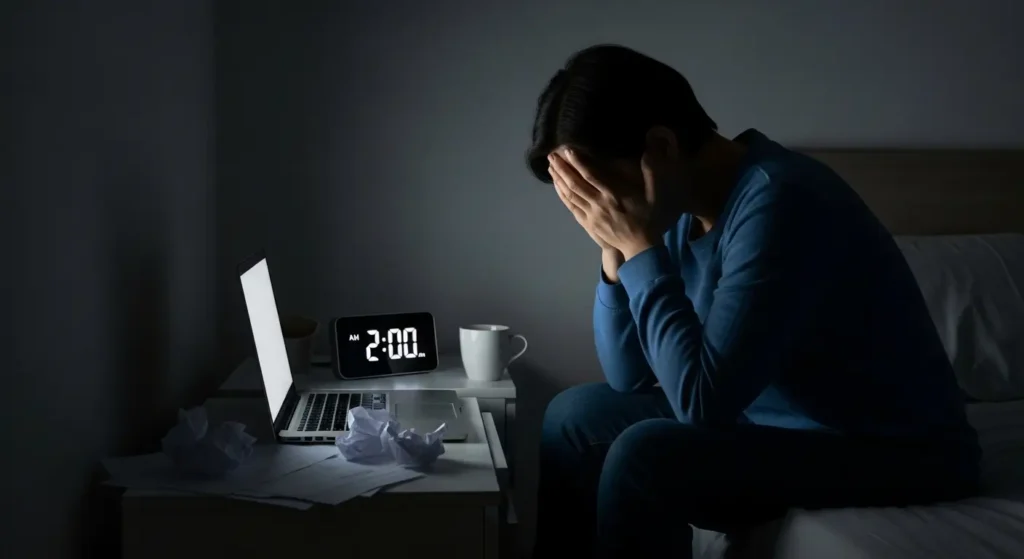
Your brain is tired at night. This is not the best time to make big decisions or judge your future.
Overthinking often tricks you into believing every thought is urgent. It is not. Most nighttime fears feel smaller in the morning.
Instead of solving everything, tell yourself
I can think about this tomorrow when my mind is calmer.
2. Move Your Focus Away From What If
Overthinking grows when your mind keeps creating imaginary problems.
Questions like:
- What if I fail?
- What if they leave?
- “What if something goes wrong?
can keep your nervous system stuck in stress mode.
Try bringing yourself back to the present moment:
- What can you control right now?
- What is actually happening at this moment?
That small shift can reduce mental pressure.
3. Put Your Thoughts Somewhere Else

Keeping everything inside usually makes overthinking worse.
Write down:
- what is bothering you
- what you feel
- what you fear
- what you wish someone understood
Your thoughts often feel less overwhelming once they leave your head.
If writing feels difficult, even saying your feelings out loud can help.
4. Stop Isolating Yourself Emotionally
One of the biggest reasons people struggle to stop overthinking alone is emotional isolation.
You may look fine on the outside while feeling emotionally overwhelmed inside.
Many people wait too long before reaching out because they think:
- I should handle this myself.
- Its not serious enough.
- Nobody will understand.
That mindset often increases anxiety and emotional shutdown.
Talking to someone does not mean your problems are dramatic. It means you are human.
5. Calm Your Body Before Calming Your Thoughts

When your body stays tense, your mind usually follows.
Try simple calming actions:
- slow breathing
- stretching
- drinking water
- lowering screen brightness
- sitting quietly for a few minutes
Your brain feels safer when your body feels safer.
People often try to think their way out of anxiety when their nervous system actually needs emotional rest.
6. Create a Night Routine That Feels Emotionally Safe
Your nighttime habits affect your emotional state more than you think.
Avoid:
- doomscrolling
- stressful videos
- emotional arguments before bed
- checking upsetting messages repeatedly
Instead, create small calming habits:
- soft music
- reading
- journaling
- dim lighting
- quiet reflection
Consistency helps your brain stop expecting stress every night.
7. Avoid Replaying Conversations Again and Again
Many people overthink social interactions at night.
You may replay:
- something awkward you said
- a text message
- an argument
- someone’s tone of voice
Your brain keeps searching for certainty or reassurance.
But replaying situations repeatedly rarely gives peace. It usually creates more anxiety.
Instead of asking:
What did they mean?
ask:
Is this thought helping me right now?
8. Understand the Difference Between Thinking and Overthinking
Healthy thinking helps you solve problems.
Overthinking keeps you emotionally trapped without resolution.
Signs of overthinking include:
- repeating the same thoughts
- imagining worst-case scenarios
- struggling to sleep
- feeling emotionally drained
- needing constant reassurance
If this happens often, support can help.
9. Do Not Ignore Emotional Exhaustion
Overthinking is sometimes a sign of deeper emotional stress.
You may be:
- mentally exhausted
- emotionally unsupported
- carrying relationship pressure
- suppressing emotions for too long
Ignoring emotional pain does not make it disappear. It often returns stronger at night.
This is why emotional connection matters.
10. Reach Out Before You Completely Burn Out
Many people wait until they feel emotionally broken before asking for help.
You do not need to reach a crisis point first.
Support matters early too.
Whether you feel anxious, emotionally tired, disconnected, or overwhelmed, talking to someone can reduce the emotional weight you carry alone.
What Happens If Overthinking Never Stops
Long-term overthinking can affect:
- sleep quality
- anxiety levels
- emotional stability
- relationships
- focus during the day
It can also increase feelings of loneliness and emotional burnout.
That is why emotional support is important, even if your problems feel small.
You deserve support before things become unbearable.
You Don’t Have to Carry This Alone
If you feel overwhelmed, anxious, or emotionally tired, Hear Inside gives you a safe space to talk to a real person who listens and understands.
Private.
Confidential.
No pressure.
No judgment.
You can start talking whenever you feel ready.
FAQs
Why do I overthink more at night?
At night, your brain has fewer distractions. Stress, fear, loneliness, and unresolved emotions often become louder when everything gets quiet.
How can I stop overthinking alone before sleep?
Try calming your body first. Slow breathing, journaling, reducing screen time, and talking to someone can help reduce mental pressure before bed.
Is overthinking a sign of anxiety?
Sometimes, yes. Constant racing thoughts, fear, and emotional tension can be linked to anxiety and emotional stress.
Should I talk to someone even if my problems feel small?
Yes. You do not need a major crisis to deserve emotional support. Talking early can prevent emotional burnout later.
Can emotional support help with night time anxiety?
Yes. Feeling heard and emotionally supported often helps calm racing thoughts and reduces feelings of isolation.
Is Hear Inside confidential?
Yes. Hear Inside provides private and confidential emotional support with real human listeners in a safe and supportive space.
Conclusion
Overthinking at night can leave you emotionally exhausted, anxious, and disconnected from yourself. The more you stay trapped inside your thoughts, the harder it becomes to feel calm or rested. Small changes like slowing your thoughts, calming your body, writing down your feelings, or talking to someone you trust can help reduce the emotional pressure little by little.
You do not have to carry everything alone in silence. Sometimes the biggest relief comes from simply being heard. If your thoughts feel overwhelming at night, Hear Inside gives you a safe and confidential space to talk to a real person who listens without judgment. One conversation can help you feel lighter, calmer, and less alone.