

Many people feel worse at night emotionally because the mind finally becomes quiet enough to notice stress, sadness, anxiety, or loneliness that was ignored during the day. When distractions stop, difficult thoughts often become louder. This can lead to overthinking, emotional shutdown, crying spells, or feeling mentally exhausted before sleep.
If you feel emotionally overwhelmed at night, you are not weak or too sensitive. Your mind may simply be carrying too much without enough emotional release. Talking to someone, slowing your thoughts, and feeling heard can help reduce emotional pressure before it becomes heavier.
Why Nights Feel Emotionally Harder
Nighttime removes noise and distractions.
There are fewer messages, fewer tasks, and fewer people around.
That silence can make buried emotions rise to the surface. You may suddenly think about relationships, regrets, stress, fear, or things you avoided all day. This is why many people start feeling emotionally worse at night even if they seemed fine earlier.
7 Reasons Feel Worse At Night Emotionally
1. Your Mind Finally Slows Down

During the day, your brain stays busy with work, social media, family responsibilities, or survival mode.
At night, your thoughts have more space. Unprocessed emotions can appear stronger because there is nothing distracting you anymore. This is one reason people experience emotional overwhelm before sleep.
2. You Feel More Alone at Night
Loneliness often feels stronger after dark.
People are offline, conversations slow down, and many individuals begin feeling emotionally disconnected. Even if others care about you, nighttime can create the feeling that nobody truly understands what you are carrying.
You may stay awake wishing someone would simply listen.
That emotional isolation can slowly increase anxiety and sadness.
3. Overthinking Gets Stronger Before Sleep
Your brain naturally starts reviewing the day at night.
This often turns into:
- replaying conversations
- worrying about the future
- thinking about mistakes
- imagining worst case situations
Overthinking creates emotional exhaustion. The more you stay inside your thoughts, the heavier emotions can feel.
You may think:
I should be able to handle this alone.
But emotional pressure usually grows when ignored for too long.
4. Emotional Burnout Builds Up Quietly
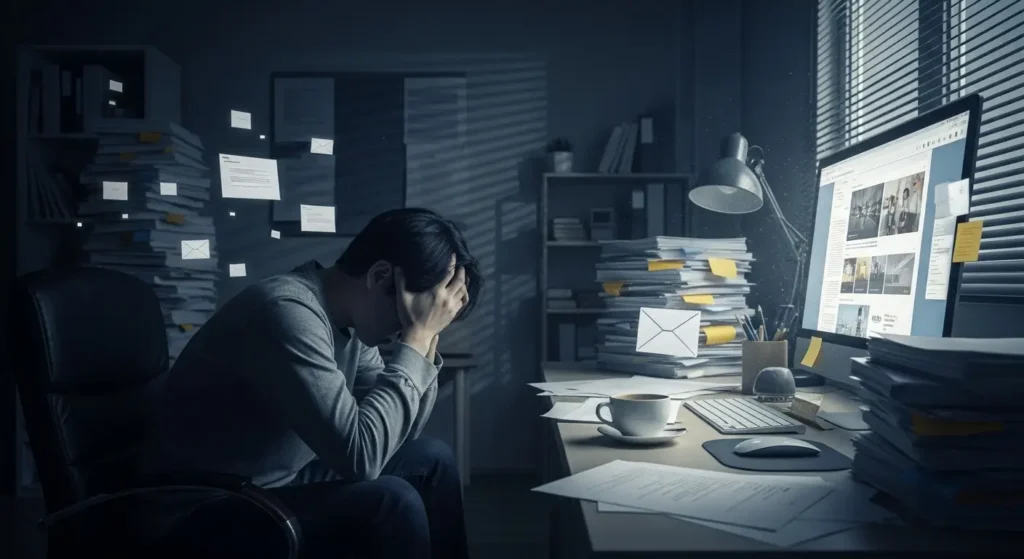
Some people spend the entire day holding themselves together.
They stay strong for work, relationships, children, or responsibilities. But emotional burnout does not disappear just because you ignore it. At night, the body and mind finally stop fighting to stay productive.
That is when emotional exhaustion appears:
- sudden sadness
- numbness
- irritation
- crying without a clear reason
- feeling mentally drained
5. Relationship Stress Feels Heavier at Night
Nighttime often increases emotional sensitivity in relationships.
Arguments, distance, silence, or feeling emotionally unseen can become harder to ignore before sleep. Couples who struggle emotionally often avoid difficult conversations during the day, but those feelings return at night.
This can create:
- emotional distance
- resentment
- sadness
- fear of losing connection
6. Anxiety Feels Louder in Silence
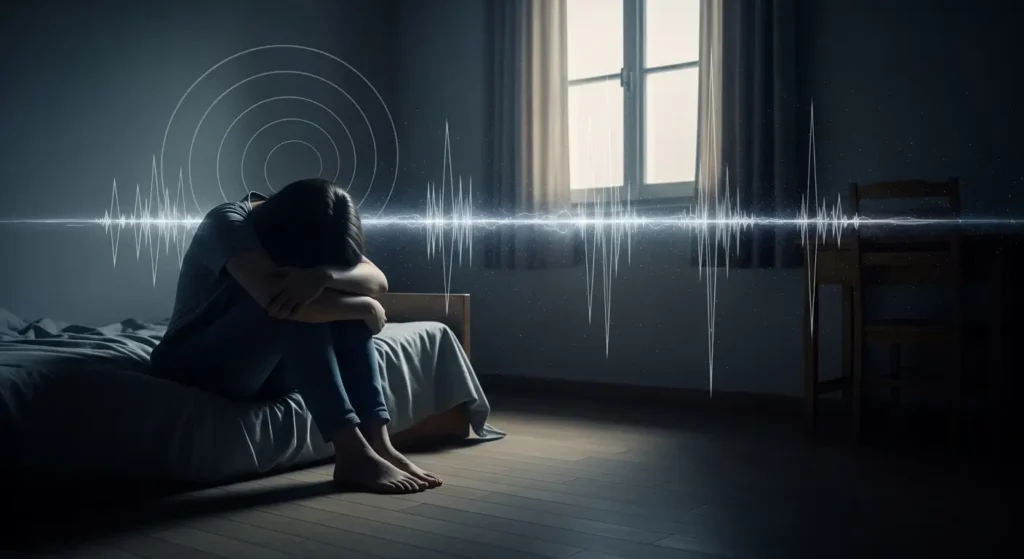
Anxiety often becomes stronger when the environment becomes quiet.
You may notice:
- racing thoughts
- chest tightness
- fear about tomorrow
- panic before sleep
- inability to relax
The body stays alert even when you are tired. Over time, this can affect sleep, relationships, and emotional stability.
You do not need to explain everything perfectly to get help.
You can start with one feeling at a time.
7. You May Be Emotionally Suppressing Too Much
Some people rarely express emotions openly.
Instead, they distract themselves, stay busy, or avoid emotional conversations completely. But emotions that stay hidden often return at night when the mind becomes quieter.
This emotional suppression can lead to:
- emotional numbness
- sudden breakdowns
- feeling disconnected
- crying unexpectedly
- mental fatigue
Learning to speak openly in a safe space can reduce emotional pressure over time.
What Happens If You Ignore These Feelings
Ignoring emotional stress does not usually make it disappear.
Over time, emotional pressure can affect:
- sleep
- focus
- relationships
- energy levels
- self-worth
- daily functioning
Many people continue suffering silently because they think they should “just deal with it.” But emotional isolation often makes anxiety and sadness stronger.
Talking to someone early can prevent emotional exhaustion from becoming deeper.
A Safe Space Can Change More Than You Think
You do not need perfect words to ask for support.
At Hear Inside, you can talk to a real human listener in a private, confidential, and supportive space. There is no pressure to explain everything immediately.
You can start small.
One feeling. One thought. One conversation.
If you feel emotionally overwhelmed tonight, you do not have to sit with it alone.
You don’t have to carry this alone
If you feel overwhelmed, anxious, emotionally tired, or mentally drained at night, Hear Inside gives you a safe space to talk to a real person who listens and understands.
Whether you need emotional support, someone to hear you without judgment, or a quiet place to release what you are holding inside, support is available when you need it most.
Talk to Someone Now
FAQs
Why do I feel worse emotionally at night?
Many people feel emotionally worse at night because distractions disappear and difficult thoughts become louder. Stress, loneliness, anxiety, and emotional exhaustion often surface more strongly in quiet moments.
Is it normal to cry or overthink before sleep?
Yes. Emotional overload and overthinking commonly increase at night. Your mind may finally be processing emotions you ignored during the day.
Should I talk to someone even if my feelings seem small?
Yes. You do not need to wait for a crisis before reaching out. Talking early can help prevent emotional pressure from becoming heavier over time.
Can emotional support help with loneliness?
Yes. Speaking to a real person who listens without judgment can reduce feelings of emotional isolation and help you feel more connected and understood.
What if I feel uncomfortable opening up?
That is normal. You do not have to share everything at once. Many people begin by talking about just one feeling or one difficult moment.
When should I seek emotional support?
You should consider support when emotional stress starts affecting sleep, relationships, motivation, focus, or daily life. Early support is often easier than carrying emotional pain alone for long periods.
Conclusion
Feeling worse emotionally at night can happen when your mind finally slows down and hidden stress rises to the surface. Loneliness, overthinking, anxiety, emotional burnout, and relationship pressure often feel heavier in silence. Ignoring these emotions for too long can make you feel mentally exhausted and emotionally disconnected over time.
You do not have to carry those feelings alone every night. Talking to someone, expressing what you feel, and allowing yourself to be heard can bring emotional relief. At Hear Inside, you can talk to a real person in a safe and confidential space where you are listened to without judgment or pressure.