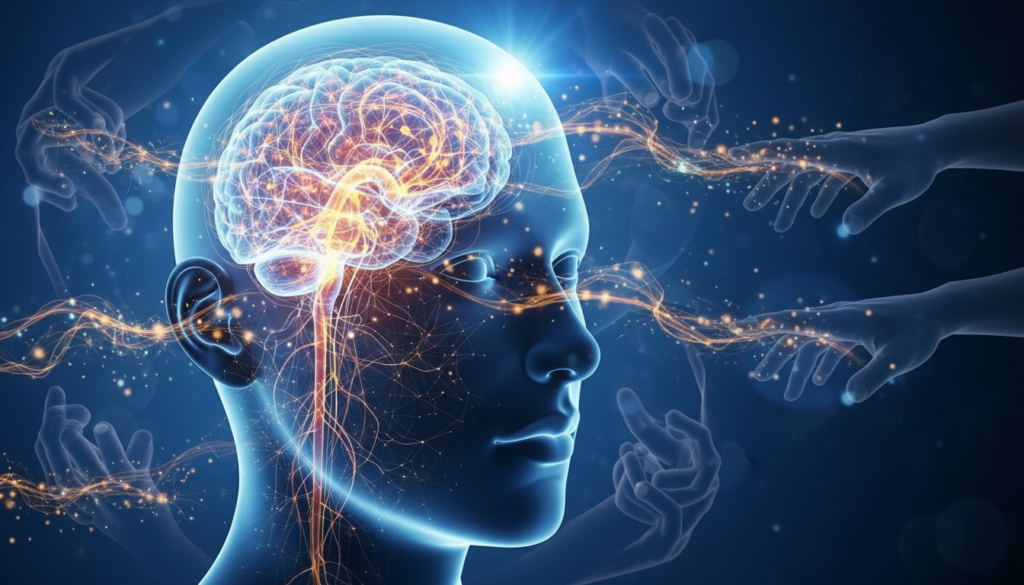
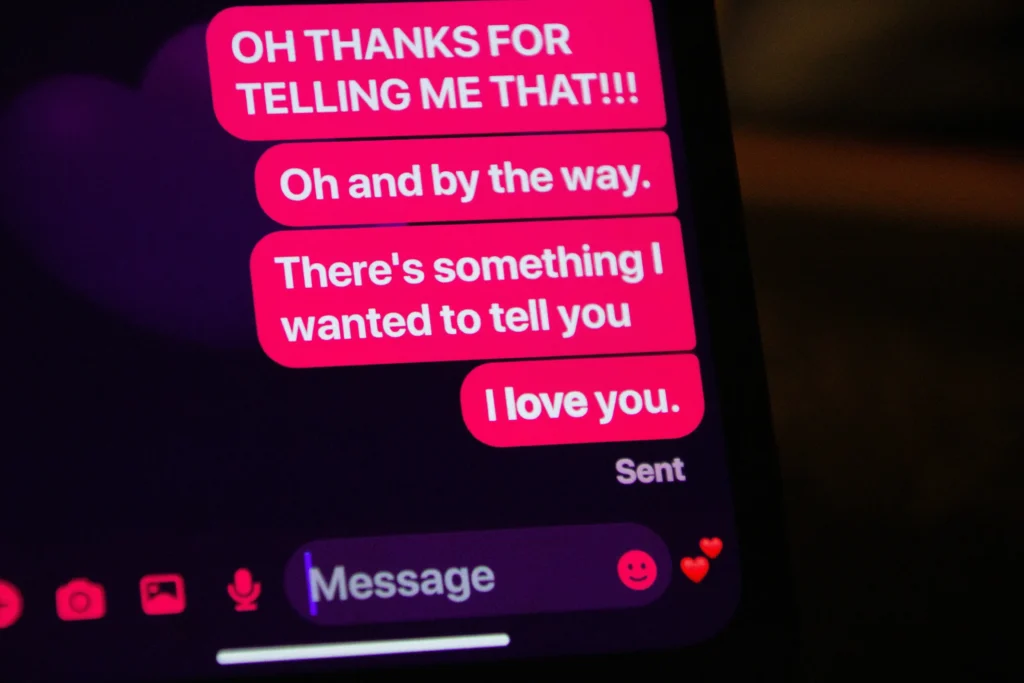
AI chat safety emotions refers to the way AI chat systems are designed to handle, interpret, and respond to human emotions in a safe, controlled, and non harmful manner. It focuses on ensuring that AI conversations remain respectful, supportive, and do not manipulate or mislead users emotionally, especially in sensitive or vulnerable situations.
In modern AI systems, AI chat safety emotions plays a crucial role in preventing harmful emotional dependency, reducing misinformation in emotional responses, and maintaining ethical communication boundaries. It helps AI understand emotional cues while still prioritizing user safety, mental well being, and responsible interaction rather than mimicking or exploiting human emotions.
Why People Share Feelings With AI Chatbots
There is a reason so many people find themselves typing out their anxieties, frustrations, and grief to a chatbot at midnight. Human connection is not always available when you need it most. Friends get tired. Therapists cost money. Family members judge. An AI chatbot is always there, costs nothing in that moment, and responds instantly.
For people who feel alone even when they are surrounded by others, the appeal makes complete sense. When you cannot find anyone who understands what you are going through, even a digital voice that responds attentively can feel like a relief.
Research confirms that loneliness is a significant driver of AI chatbot usage for emotional purposes. People who feel socially disconnected are especially likely to turn to AI companions. This is not a failure of character. It is a natural human response to a genuine need.
Common reasons people open up to AI chatbots include:
- No fear of being judged or misunderstood
- Available at any time, including late nights and weekends
- No risk of burdening someone they care about
- A sense of anonymity that feels safer than talking to a known person
- Lower emotional stakes than a face to face conversation
How AI Chatbots Handle Emotional Conversations
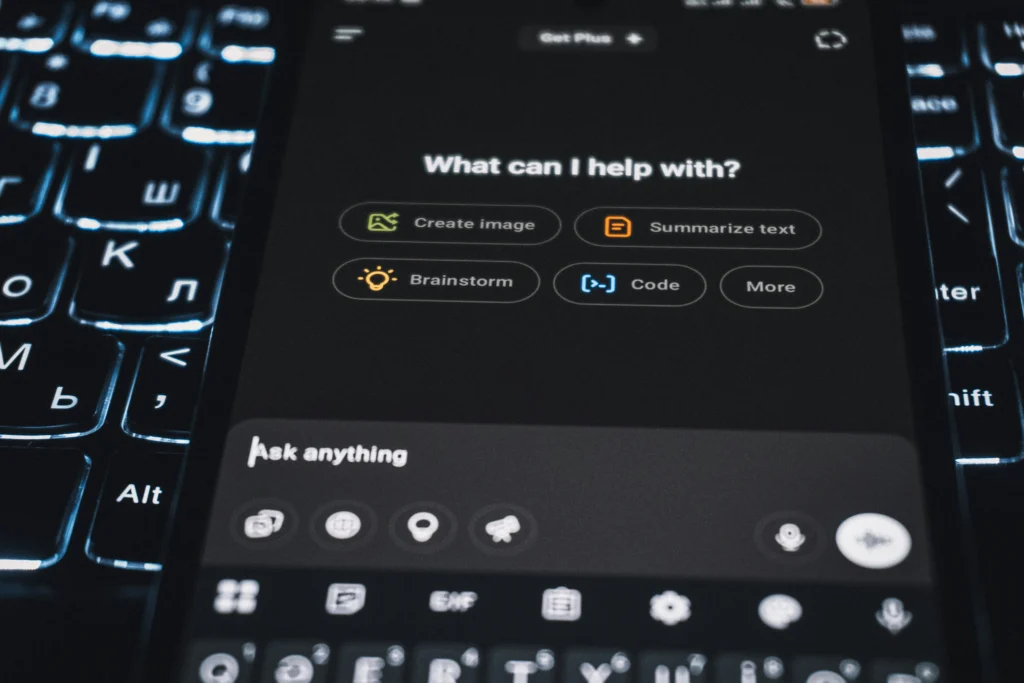
Modern AI chatbots use large language models trained on enormous amounts of human text. They recognize emotional language, mirror back empathy, and adjust their tone based on what you share. This creates a feeling of being heard that many users find genuinely comforting.
However, the empathy is simulated. The chatbot does not feel concern for you. It produces statistically likely responses based on patterns in training data. When it says “that sounds really hard,” it is not experiencing understanding. It is generating text that matches the context of your input.
This distinction matters because users often forget it. Studies have shown that anthropomorphic design elements, such as a chatbot having a name, a profile picture, or a conversational personality, make users trust it more and share more personal information than they otherwise would. That increased trust can lead to significant oversharing without full awareness of the consequences.
How emotional AI chatbots typically work:
- They use sentiment analysis to detect emotional tone in your text
- They generate responses that validate and reflect your stated feelings
- They encourage continued engagement through follow-up questions
- They build a sense of rapport over time to keep you returning
The Real Privacy Risks You Should Understand
This is the section most people skip, and it is the one that matters most.
When you share something personal with an AI chatbot, that information does not simply disappear after the conversation ends. It is typically stored by the company running the chatbot. Depending on their data policies, it may be used to train future AI models, shared with business partners, or retained in backups even if you delete your chat history.
As one industry report noted in 2025, once you provide your data to an AI system, it is no longer truly yours. It can be used to train future models, shared with business partners, or even leveraged in a corporate acquisition.
What makes this particularly sensitive for emotional conversations is the depth of the data. If you tell a chatbot that you are struggling with grief, anxiety, substance use, or relationship problems, you are creating a detailed psychological record of yourself. That record exists somewhere, in some server, tied to some identifier that may not be as anonymous as you assume.
| Type of Risk | What It Means | Potential Impact |
|---|---|---|
| Data Storage | Your conversations may be saved and analyzed | Loss of control over personal information |
| Model Training | Your inputs may help train future AI systems | Private disclosures become part of AI learning data |
| Third-Party Sharing | Data may be shared with advertisers or partners | Sensitive emotions used for targeted advertising |
| Security Breaches | Stored conversations can be exposed in hacks | Deeply personal content becomes publicly accessible |
| No Legal Protection | AI chats are not protected like therapy sessions | No confidentiality rights like HIPAA or therapist privilege |
A particularly troubling example emerged in late 2025, when Meta announced it would use the contents of chatbot conversations on its platforms to target users with advertisements. Conversations about mental health, medical concerns, and personal struggles were being fed into ad-targeting systems. This is legal. It is also deeply uncomfortable.
People using AI for emotional support often do so because it feels private. The reality is that it may be the least private place to process something sensitive.
Emotional Dependency: A Growing Concern

One risk that does not get enough attention is the emotional dependency that chatbot interactions can create. AI companions are often specifically designed to maximize engagement. They validate your thoughts, agree with your perspective, and respond in ways that feel deeply satisfying in the short term.
This is a problem. Real emotional growth requires challenge, discomfort, and authentic human reciprocity. A chatbot that always agrees with you and never sets limits does not mirror real relationships. Over time, people who rely heavily on AI for emotional support may find real human connection increasingly difficult to navigate.
Research published in early 2026 found that higher usage of AI chatbots for emotional support was linked to reduced socialization over time. The more someone relied on AI for emotional conversations, the more they tended to withdraw from human contact.
This is especially concerning for people who are already experiencing social isolation or emotional disconnection. For them, a chatbot can feel like a solution when it is actually reinforcing the problem.
Signs that your chatbot use may be becoming unhealthy include:
- Preferring to talk to the AI instead of friends or family
- Feeling anxious or lost when the chatbot is unavailable
- Spending hours in conversations and losing sleep as a result
- Feeling that the AI understands you better than any human does
- Using the chatbot to avoid difficult conversations with real people
What AI Chatbots Cannot Do
Understanding the limits of AI emotional support is just as important as understanding what it can offer. There are several things chatbots simply cannot do, regardless of how sophisticated they appear.
AI chatbots cannot:
- Provide clinical assessment or diagnosis of mental health conditions
- Accurately evaluate risk for self-harm or crisis situations
- Maintain confidentiality with the legal protections of a licensed therapist
- Notice physical cues like tone of voice, facial expression, or body language
- Challenge unhealthy thought patterns in the way a trained professional would
- Report child abuse, suicidal ideation, or safety threats as required by law
- Provide continuity of care or collaborate with other health providers
Researchers studying AI in mental health contexts have raised consistent concern about the accountability vacuum that exists around chatbots. They are not obligated to report safety risks. They are not licensed. And if something goes wrong, the legal liability is deeply unclear.
For people experiencing serious mental health challenges, the gap between what a chatbot appears to offer and what it can actually provide is significant. Someone in crisis needs human intervention, not a pattern-matching language model. If you or someone you know is struggling deeply, exploring late night emotional support platforms that connect you with trained human listeners is a far safer approach.
When AI Chatbots Can Actually Help
Fairness demands acknowledging what chatbots do genuinely well. For many situations, they provide real value that should not be dismissed.
For someone who is mentally tired for no apparent reason and just needs to articulate what they are feeling, typing it out to a chatbot can function like journaling with feedback. The process of putting feelings into words is valuable in itself, and a responsive AI can make that easier.
AI chatbots can also help people who are not ready to talk to a human yet. For someone who has never sought emotional support before and feels uncertain or ashamed, a chatbot can serve as a low-stakes starting point.
| Situation | AI Chatbot Useful? | Better Alternative? |
|---|---|---|
| Processing mild daily stress | Yes | Journaling, talking to a friend |
| Articulating vague feelings | Yes | Writing, therapy |
| Loneliness at 3 AM | Partially | Human listener platforms |
| Grief or trauma processing | Limited | Grief counselor or therapist |
| Crisis or suicidal thoughts | No | Crisis line, emergency services |
| Anxiety about a specific decision | Yes | Trusted friend, coach, therapist |
| Rebuilding after emotional exhaustion | Partially | Human emotional support |
The key is knowing which situations call for which kind of support. A chatbot is not a replacement for human connection. It can, at best, be a supplement or a first step.
Comparing AI Support vs. Human Emotional Support
One of the most useful things you can do is understand the genuine differences between what AI chatbots offer and what trained human listeners or therapists provide.
Many people assume the gap is mainly about warmth. In reality, the differences are much more structural. Human emotional support involves genuine understanding, professional training, legal protections, and the kind of mutual vulnerability that builds real connection.
| Feature | AI Chatbot | Human Listener or Therapist |
|---|---|---|
| Availability | 24/7 | Scheduled or limited hours |
| Cost | Often free or low-cost | Variable, sometimes covered by insurance |
| Confidentiality | Not legally protected | Protected by professional ethics and law |
| Empathy | Simulated through pattern matching | Genuine human understanding |
| Clinical judgment | None | Trained and licensed |
| Data privacy | Risk of storage and misuse | Strict professional confidentiality |
| Emotional safety | Variable | High, with oversight and accountability |
| Long-term wellbeing | May increase isolation | Supports genuine recovery and growth |
The therapy vs. emotional support distinction is one many people overlook entirely. Not every difficult moment requires therapy, but it does require human understanding. Platforms that connect people with real, trained listeners fill that gap far more safely than AI chatbots do.
If you find yourself needing someone to talk to but not knowing where to start, a human support platform is a better choice than an AI chatbot for anything emotionally significant.
Smart Boundaries: What to Share and What to Keep Private
If you choose to use AI chatbots for emotional processing, being intentional about what you share makes a meaningful difference. The goal is to use these tools in a way that helps you think and feel, without creating unnecessary privacy exposure or emotional dependency.
Reasonable to share with AI chatbots:
- General emotional states like feeling stressed or overwhelmed
- Vague frustrations about daily life without identifying details
- Hypothetical scenarios or decisions you are thinking through
- Creative writing or self-reflection exercises
Better kept private:
- Full name, location, employer, or other identifying information
- Medical or mental health diagnoses
- Relationship details involving other identifiable people
- Anything you would be uncomfortable seeing published
- Financial information or legal matters
- Crisis-level distress or thoughts of self-harm
Treating an AI chatbot conversation the way you would treat speaking in a crowded public place is a useful mental model. Comfortable with someone overhearing it? Then it is probably fine to share.
For conversations about things that truly matter, experiences of emotional breakdown, grief, trauma, or crisis, talking to a real person is not just safer. It is more effective.
Frequently Asked Questions
Is it safe to tell an AI chatbot I am feeling depressed?
Sharing that you are feeling low or depressed in general terms carries relatively low risk. However, AI chatbots are not equipped to assess clinical depression or provide appropriate care. If depression is persistent or severe, speaking with a licensed mental health professional is the right step. The chatbot cannot accurately judge how serious your situation is, and its response may not reflect your actual needs.
Can AI chatbots keep conversations confidential?
No. Unlike conversations with licensed therapists, what you share with AI chatbots is not protected by confidentiality laws. Depending on the platform’s privacy policy, your conversations may be stored, analyzed, used for training, or shared with third parties. Reading the privacy policy of any chatbot you use is a basic precaution most people skip.
Do AI chatbots actually understand what I am feeling?
AI chatbots recognize patterns in language that are associated with emotions and generate responses that match those patterns. They do not experience understanding in the way humans do. The appearance of empathy is the output of a statistical model, not genuine emotional attunement. This is not a flaw, but it is an important truth to keep in mind.
Could using AI chatbots make my mental health worse?
It depends on how you use them and in what context. Research has linked heavy reliance on AI for emotional support to increased social withdrawal over time. For people who are already isolated or struggling with mental health challenges, using chatbots as a substitute for human connection can deepen those problems. Used sparingly and intentionally, they carry much lower risk.
What should I do if a chatbot says something that makes me feel worse?
Stop the conversation and step away. AI chatbots can produce responses that are dismissive, inaccurate, or even harmful, particularly in long conversations where their safety guardrails may weaken. If you are feeling distressed, reach out to a real person: a trusted friend, a family member, or a professional support service.
Are there chatbots that are safer than others for emotional conversations?
Some AI-powered tools are specifically designed for mental wellness and built with clinical oversight. These tend to have more appropriate safeguards than general-purpose chatbots. Even so, no AI chatbot currently provides the level of safety, privacy, or effectiveness of a human mental health professional for serious emotional concerns.
Is it bad to talk to AI when I have no one else to turn to?
Using AI support when you genuinely have no one else available is understandable and not something to feel ashamed about. The important thing is to keep it in perspective use it as a temporary bridge, not a permanent substitute. Platforms that connect people with real human listeners exist precisely for this situation and are a safer long term option.
Can AI chatbots help with anxiety?
AI chatbots can help some people articulate anxious thoughts and feel temporarily heard. However, they cannot apply proven anxiety treatment techniques, identify cognitive distortions accurately, or provide clinical care. For ongoing or severe anxiety, speaking with a therapist or counselor is the appropriate path.
Conclusion
AI chatbots have become a genuinely significant part of how many people process their emotions. That is neither inherently good nor inherently bad. What matters is how clearly you understand what these tools actually are, what they do with your information, and where their limits lie.
The honest answer to whether it is safe to share feelings with AI chatbots is: it depends. Mild emotional processing, thinking through a decision, or articulating how you feel in the moment carries relatively low risk. But sharing deeply personal information, relying on chatbots during crisis moments, or allowing AI to replace human connection in your life carries genuine risks to both your privacy and your mental health.
Real emotional support, the kind that creates lasting wellbeing, comes from being genuinely heard by another human being. If you are going through something heavy and need to talk, consider reaching out to a platform that connects you with a real person who listens without judgment. You deserve more than a pattern-matching response to something that truly matters.