

Modern technology has made communication easier than ever before. With social media, messaging apps, online communities, and virtual meetings, people can stay connected from almost anywhere in the world. However, despite this constant connectivity, many individuals feel emotionally disconnected in their daily lives.
The Emotional Gap Between Online and Real Life is becoming a growing concern in today’s digital age. Many people appear happy, confident, and socially active online while experiencing loneliness, anxiety, or emotional isolation offline. This disconnect can affect mental health, relationships, self esteem, and overall life satisfaction.
Understanding why this gap exists is the first step toward creating a healthier balance between digital interactions and real-world connections. In this guide, you will learn the key signs, causes, and practical solutions to overcome emotional disconnection and build more meaningful relationships.
What Is the Emotional Gap Between Online and Real Life?
The emotional gap between online and real life refers to the difference between how people present themselves online and how they genuinely feel in their everyday lives.
Many individuals carefully curate their online image. They share achievements, vacations, celebrations, and positive moments. However, they often hide stress, sadness, uncertainty, and personal struggles.
| Term | Meaning |
|---|---|
| Online Identity | The version of yourself shown on social media and digital platforms |
| Real-Life Identity | Your actual emotions, experiences, and daily reality |
| Emotional Gap | The disconnect between these two identities |
As a result, a person may appear socially fulfilled online while feeling emotionally disconnected offline.
Why Is This Emotional Gap Growing?

Several factors contribute to this issue.
1.Increased Screen Time
People spend more hours online than ever before. Digital communication often replaces face-to-face conversations, reducing opportunities for genuine emotional connection.
2.Social Media Comparison
Many users compare their lives to carefully edited online content. This creates unrealistic expectations and feelings of inadequacy.
3.Validation Culture
Likes, comments, and shares have become sources of emotional validation. Over time, external approval can replace internal self-worth.
4.Remote and Digital Lifestyles
Remote work, online education, and virtual communities provide convenience but can sometimes reduce meaningful in person interactions.
10 Signs You May Be Experiencing an Emotional Gap
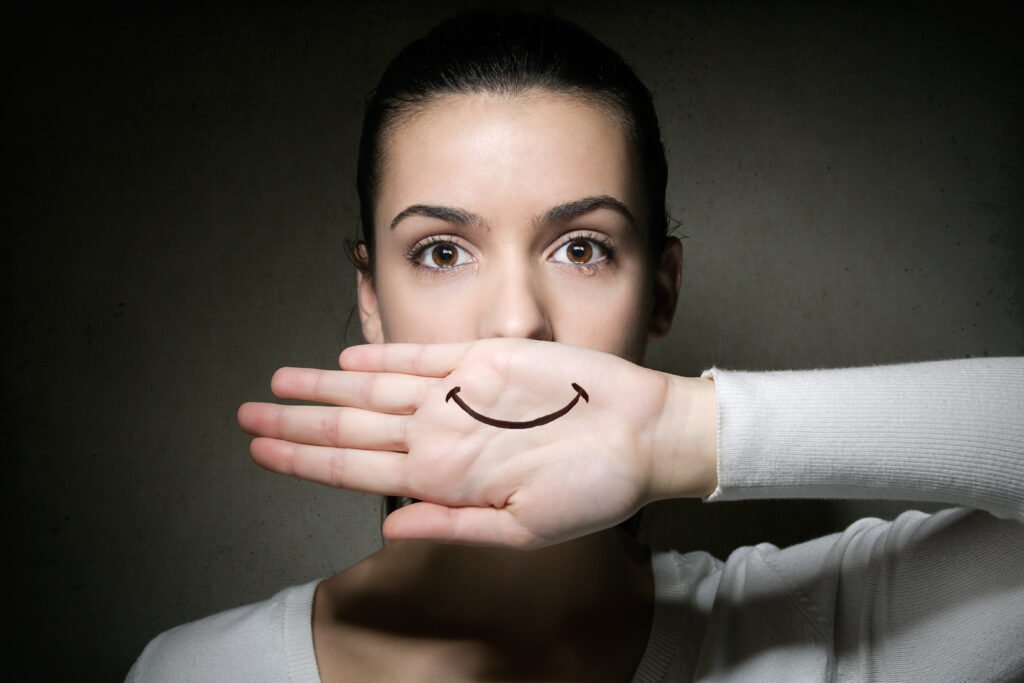
Recognizing the symptoms is essential for improving emotional well being. This experience is similar to being lonely even with friends, where social interaction exists but emotional connection feels missing.
1. You Feel Lonely Despite Being Constantly Connected
You communicate with many people online but still feel isolated when alone.
2. Social Media Feels More Comfortable Than Real Conversations
Face-to-face discussions may feel stressful, while online communication seems easier.
3. You Frequently Compare Yourself to Others
You often measure your life against the achievements or lifestyles displayed online.
4. You Depend on Likes and Comments for Confidence
Positive engagement temporarily boosts your mood, while low engagement affects your self esteem.
5. Real Life Relationships Feel Less Satisfying
Digital interactions may start replacing meaningful personal connections. This pattern often contributes to growing loneliness in the digital age, even when communication opportunities are everywhere.
6. You Struggle to Express Emotions in Person
Sharing feelings online becomes easier than discussing them directly with loved ones. Learning how to express your feelings effectively can help strengthen emotional connections and reduce communication barriers.
7. You Experience Anxiety After Using Social Media
Constant exposure to idealized content may trigger stress or self-doubt.
8. You Spend More Time Observing Than Participating
Instead of actively engaging in life experiences, you watch others online.
9. Offline Activities Feel Less Exciting
Hobbies, social gatherings, and outdoor activities may lose their appeal.
10. You Feel Emotionally Exhausted
Maintaining different versions of yourself online and offline can become mentally draining.
Emotional Gap Symptoms Checklist
| Symptom | Severity Indicator |
| Frequent loneliness | High |
| Excessive social comparison | High |
| Dependence on validation | Medium to High |
| Emotional exhaustion | High |
| Reduced social interaction | Medium |
| Anxiety after social media use | High |
What Causes the Emotional Gap Between Online and Real Life?

Understanding the root causes helps create long-term solutions.
1.Social Media Highlight Culture
Most users share only positive experiences. This creates an illusion that everyone else is happier, more successful, and more fulfilled.
In reality, every person faces challenges that are rarely visible online.
2.Fear of Vulnerability
Many individuals avoid showing their authentic emotions because they fear judgment, criticism, or rejection.
As a result, they create a digital version of themselves that feels safer but less genuine.
3.Digital Overload
Constant notifications, messages, and content consumption leave little room for reflection and emotional processing.
Over time, this can reduce self awareness and emotional resilience.
4.Online Validation Dependency
When self worth depends heavily on online feedback, emotional stability becomes vulnerable to external factors.
5.Reduced Face to Face Communication
Text messages and online chats lack important emotional cues such as:
- Facial expressions
- Eye contact
- Body language
- Tone of voice
Without these elements, emotional connection often becomes weaker.
6.Unrealistic Expectations
Influencers, celebrities, and curated content can create unrealistic standards regarding:
- Success
- Relationships
- Appearance
- Lifestyle
This comparison often leads to dissatisfaction with real life.
How the Emotional Gap Affects Mental Health
The effects extend beyond simple feelings of loneliness.
1.Increased Anxiety
Constant comparison and fear of missing out can increase anxiety levels.
2.Lower Self Esteem
Individuals may begin to believe they are not successful enough compared to others online.
3.Depression Symptoms
Persistent emotional isolation can contribute to feelings of sadness and hopelessness.
4.Emotional Burnout
Trying to maintain a perfect online image can become emotionally exhausting.
5.Relationship Problems
When digital interactions replace authentic communication, trust and emotional intimacy may suffer.
Online Relationships vs Real Life Relationships
Both forms of connection have value, but they serve different emotional needs.
| Online Relationships | Real-Life Relationships |
| Convenient communication | Deeper emotional bonding |
| Easy to maintain | Stronger trust development |
| Wide social reach | Better emotional support |
| Instant interaction | Rich non-verbal communication |
| Flexible and accessible | Greater long-term stability |
The healthiest approach is not choosing one over the other but maintaining balance between both.
The Hidden Cost of Living Through Screens
Many people underestimate the long-term effects of excessive digital engagement.
When online interactions dominate daily life, several consequences may emerge:
- Reduced emotional awareness
- Lower empathy levels
- Difficulty building deep relationships
- Increased stress
- Weaker communication skills
Over time, individuals may become disconnected not only from others but also from their own emotions.
Real Life Example
Consider a young professional working remotely.
Throughout the day, they attend virtual meetings, send emails, interact on social media, and stay active in online communities.
From the outside, they appear highly connected.
However, they rarely meet friends in person, spend little time with family, and struggle to discuss personal emotions.
Eventually, feelings of loneliness begin to grow despite constant online activity.
This example reflects a common reality experienced by millions of people today.
Why Authentic Human Connection Still Matters
Humans are naturally social beings.
Authentic relationships provide:
- Emotional support
- Trust
- Belonging
- Understanding
- Personal growth
While technology offers valuable communication tools, it cannot fully replace the emotional depth created through genuine human interaction.
Strong relationships remain one of the most important contributors to long-term happiness and psychological well-being.
10 Practical Solutions to Reduce the Emotional Gap
Recognizing the problem is important, but meaningful change happens when you take action. The following strategies can help you build stronger real-world connections while maintaining a healthy relationship with technology.
1. Set Healthy Screen Time Boundaries
Many people spend hours scrolling through social media without realizing how much time has passed.
Create daily limits for:
- Social media usage
- Entertainment apps
- Non-essential screen time
Even reducing screen usage by one hour per day can create opportunities for more meaningful activities.
2. Schedule Face to Face Interactions
Online communication is convenient, but in person interactions provide deeper emotional benefits.
Try to:
- Meet friends regularly
- Have family dinners without devices
- Attend local events
- Join community activities
Consistent personal interaction helps strengthen emotional bonds.
3. Practice Active Listening
Many conversations today are interrupted by notifications and distractions.
Active listening involves:
- Maintaining eye contact
- Avoiding interruptions
- Asking thoughtful questions
- Showing genuine interest
People feel more valued when they know they are truly being heard.
4. Create Device Free Zones
Designate certain places or times where technology is not allowed.
Examples include:
- Dining tables
- Bedrooms
- Family gatherings
- Weekend outings
This encourages more meaningful conversations and reduces digital distractions.
5. Focus on Real Experiences Instead of Documentation
Many individuals spend more time recording experiences than enjoying them.
Instead of immediately taking photos or posting updates:
- Be present in the moment
- Enjoy conversations
- Observe your surroundings
- Engage fully in activities
Memories become more meaningful when experienced directly.
6. Reduce Social Comparison
Remember that social media often showcases highlights rather than reality.
When comparing yourself to others, ask:
- Am I comparing my everyday life to someone’s best moments?
- Do I know the full story behind what I see online?
- Is this comparison helping or hurting me?
Shifting focus toward personal growth can improve emotional well-being.
7. Strengthen Emotional Awareness
Understanding your emotions helps reduce the disconnect between your online and offline self.
Develop emotional awareness by:
- Journaling regularly
- Reflecting on daily experiences
- Identifying emotional triggers
- Practicing mindfulness
The more aware you are of your feelings, the easier it becomes to communicate them authentically.
8. Invest in Offline Hobbies
Offline activities provide opportunities for personal fulfillment and social interaction.
Examples include:
- Reading
- Sports
- Gardening
- Volunteering
- Learning new skills
- Art and creative projects
These activities help build confidence and reduce dependence on digital validation.
9. Build Deeper Conversations
Many online interactions remain superficial.
Instead of discussing only daily updates, explore topics such as:
- Personal goals
- Values
- Life experiences
- Challenges
- Dreams and aspirations
Meaningful conversations create stronger emotional connections.
10. Seek Professional Support When Needed
If emotional isolation significantly affects your daily life, speaking with a mental health professional can be beneficial.
Professional guidance can help you:
- Improve emotional regulation
- Build healthier relationships
- Address anxiety or depression
- Develop communication skills
Seeking help is a sign of strength, not weakness.
Step by Step Plan to Reconnect With Real Life
The following framework can help you gradually reduce emotional disconnection.
Week 1: Evaluate Your Digital Habits
Track:
- Daily screen time
- Social media usage
- Emotional reactions after online activity
Identify patterns that may be contributing to emotional stress.
Week 2: Create Healthy Limits
Reduce unnecessary digital consumption.
Focus on:
- Scheduled app usage
- Notification management
- Limiting passive scrolling
Week 3: Rebuild Real World Connections
Reach out to:
- Friends
- Family members
- Colleagues
- Community groups
Prioritize meaningful conversations.
Week 4: Strengthen Long Term Habits
Continue:
- Offline hobbies
- Personal reflection
- Face-to-face interactions
- Emotional awareness practices
Small consistent changes often create lasting results.
Benefits of Closing the Emotional Gap
Reducing emotional disconnection can improve many aspects of life.
1.Better Mental Health
People often experience:
- Lower stress
- Reduced anxiety
- Improved mood
- Greater emotional stability
2.Stronger Relationships
Authentic communication builds:
- Trust
- Understanding
- Emotional intimacy
- Long-term connection
3.Improved Self Esteem
When self worth comes from within rather than external validation, confidence becomes more stable.
4.Greater Life Satisfaction
Being fully present in everyday experiences often leads to higher happiness levels.
5.Increased Emotional Resilience
Individuals become better equipped to handle challenges, setbacks, and life transitions.
Common Mistakes People Make
Many people unknowingly make choices that increase the emotional gap.
Mistake 1: Replacing Real Relationships With Online Connections
Online friendships can be valuable, but they should not completely replace real-world interaction.
Mistake 2: Chasing Validation
Constantly seeking likes, comments, and approval can weaken emotional independence.
Mistake 3: Ignoring Emotional Needs
Many people stay busy online to avoid confronting difficult emotions.
Mistake 4: Comparing Life to Social Media Content
Most online content represents curated highlights rather than everyday reality.
Mistake 5: Staying Connected All the Time
Continuous digital engagement leaves little time for self reflection and emotional recovery.
Expert Tips for Maintaining Digital Balance
Experts in digital wellness often recommend the following practices:
1.Prioritize Quality Over Quantity
Having a few meaningful relationships is often more valuable than maintaining hundreds of online connections.
2.Practice Intentional Technology Use
Use technology as a tool rather than allowing it to control your attention.
3.Schedule Regular Digital Detox Periods
Even short breaks from social media can improve emotional clarity.
4.Be Authentic Online
Presenting a more genuine version of yourself can reduce emotional strain and increase self-acceptance.
5.Focus on Presence
When spending time with others, prioritize the conversation instead of your device.
Signs That You Are Successfully Closing the Emotional Gap
Positive changes often include:
- Feeling less dependent on social media
- Enjoying offline activities more
- Having deeper conversations
- Improved emotional awareness
- Stronger personal relationships
- Greater overall happiness
These improvements usually develop gradually through consistent effort.
Frequently Asked Questions
What is the emotional gap between online and real life?
The emotional gap between online and real life refers to the disconnect between a person’s digital identity and their actual emotions, experiences, and relationships in everyday life.
Can social media cause emotional disconnection?
Yes. Excessive social media use can contribute to loneliness, social comparison, reduced self-esteem, and weaker real-world relationships when not balanced properly.
Why do I feel lonely even though I talk to people online every day?
Online communication may provide interaction but often lacks the emotional depth, physical presence, and non-verbal cues that help create genuine human connection.
How can I reduce digital loneliness?
You can reduce digital loneliness by spending more time in face to face interactions, building meaningful relationships, limiting social comparison, and participating in offline activities.
Are online friendships real?
Online friendships can be meaningful and supportive. However, combining online connections with real-world interactions often creates stronger emotional well-being.
How much screen time is considered too much?
There is no universal number, but screen time becomes problematic when it interferes with relationships, sleep, productivity, mental health, or daily responsibilities.
Conclusion
Technology has transformed the way people communicate, learn, work, and build relationships. While digital platforms offer incredible opportunities for connection, they can also create an emotional gap when online interactions begin to replace genuine human experiences.
The good news is that this gap can be reduced. By recognizing the warning signs, understanding the underlying causes, and applying practical solutions such as setting screen boundaries, strengthening emotional awareness, and prioritizing real-world relationships, individuals can create a healthier balance between their online and offline lives.
True emotional fulfillment comes not from appearing connected but from genuinely feeling connected. Start with small changes today, invest in authentic relationships, and make intentional choices that support your emotional well being. Over time, these efforts can lead to stronger relationships, better mental health, and a more meaningful life.