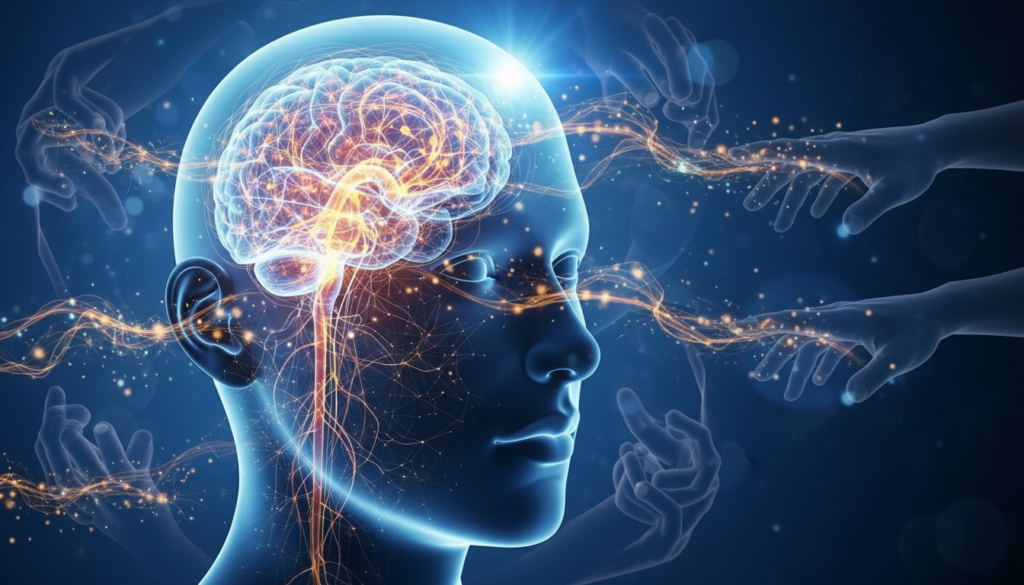

Emotional awareness is one of the most important life skills for building healthy relationships, making better decisions, and improving overall mental wellbeing. Yet many people struggle to identify, understand, and manage their emotions effectively.
Whether you’re dealing with workplace stress, relationship challenges, or personal growth goals, developing emotional awareness can help you respond thoughtfully rather than react impulsively. It forms the foundation of emotional intelligence (EI), allowing individuals to recognize emotional patterns and navigate life’s challenges with greater confidence.
In this guide, we’ll explore emotional awareness, why it matters, practical examples, exercises, worksheets, and proven techniques to strengthen emotional intelligence.
Key Insights
- Emotional awareness is the ability to recognize, understand, and manage your emotions.
- It is a core component of emotional intelligence (EI).
- Higher emotional awareness improves communication, decision-making, and resilience.
- Social-emotional awareness helps individuals understand the emotions of others.
- Emotional awareness can be developed through practice, reflection, and structured exercises.
- Various tools and worksheets can help individuals measure and improve emotional understanding.
The 5 Characteristics of Emotional Intelligence
These characteristics show up clearly in real world emotional intelligence examples, from how people handle conflict to how they support others in difficult moments.
Psychologist Daniel Goleman popularized emotional intelligence and identified five key components that contribute to emotional success.
1. Self Awareness
Self awareness is the ability to recognize your emotions as they occur. It helps you understand how feelings influence your thoughts and actions.
For example, recognizing that you’re feeling anxious before an important presentation allows you to prepare coping strategies.
2. Self Regulation
Self-regulation involves managing emotional reactions appropriately. Rather than acting impulsively, emotionally intelligent individuals pause and choose constructive responses.
3. Motivation
Emotionally intelligent people often possess strong internal motivation. They can remain focused on long-term goals despite temporary setbacks.
4. Empathy
Empathy refers to understanding and sharing the feelings of others. It enables stronger relationships and more compassionate communication.
5. Social Skills
Social skills include communication, conflict resolution, teamwork, and relationship management. Individuals with strong social skills often build trust more easily.
Together, these characteristics create a framework for emotional success in personal and professional life.
Emotional Awareness Explained: 7 Examples
Understanding emotional awareness becomes easier through practical examples.
Example 1: Recognizing Stress
A manager notices tension in their body and racing thoughts before a meeting. Instead of ignoring these signs, they acknowledge their stress and take a few minutes to relax.
Example 2: Understanding Anger
After receiving criticism, a person realizes their anger stems from feeling unappreciated rather than from the criticism itself.
Example 3: Managing Anxiety
A student recognizes exam anxiety and develops healthy coping strategies such as preparation and mindfulness.
Example 4: Identifying Happiness
Someone consciously notices the joy they experience while spending time with loved ones.
Example 5: Handling Disappointment
An athlete acknowledges disappointment after losing a competition and uses it as motivation for improvement.
Example 6: Understanding Jealousy
A person recognizes jealousy in a friendship and explores the underlying insecurity causing it.
Example 7: Practicing Empathy
An employee notices a coworker seems frustrated and takes time to listen and offer support.
These examples demonstrate how emotional awareness influences daily experiences and interactions.
Why Is Emotional Awareness Important?
Emotional awareness impacts nearly every area of life.
1.Better Decision Making
When emotions are understood rather than ignored, people make more balanced decisions.
2.Improved Relationships
Understanding your emotions allows clearer communication and reduces misunderstandings.
3.Reduced Stress
Recognizing emotional triggers helps prevent stress from escalating into burnout. Research also shows that ignoring your feelings over time can quietly damage your mental health, strain relationships, and make emotional regulation even harder down the road.
4.Enhanced Mental Health
Emotional awareness encourages healthy coping mechanisms and emotional regulation.
5.Increased Confidence
People who understand their emotions tend to feel more confident navigating challenges.
Research consistently shows that emotional intelligence contributes significantly to personal and professional success.
What Is Social Emotional Awareness?
Social emotional awareness extends beyond understanding your own emotions. It involves recognizing emotions, perspectives, and needs in others.
People with strong social emotional awareness can:
- Read social cues effectively
- Show empathy
- Build stronger relationships
- Resolve conflicts constructively
- Collaborate more successfully
For example, a team leader may notice that an employee appears disengaged during meetings and initiate a supportive conversation.
This ability strengthens teamwork, leadership, and interpersonal communication.
How to Improve Emotional Awareness
Like any skill, emotional awareness can be developed through consistent practice.
1.Pause and Reflect
Before reacting emotionally, take a moment to identify what you’re feeling.
Ask yourself:
- What emotion am I experiencing?
- What triggered this feeling?
- How intense is it?
2.Expand Emotional Vocabulary
Many people use broad labels such as “good” or “bad.”
Instead, learn specific emotional terms such as:
- Frustrated
- Disappointed
- Hopeful
- Overwhelmed
- Content
- Excited
Greater emotional vocabulary improves emotional clarity.
3.Practice Mindfulness
Mindfulness teaches individuals to observe thoughts and feelings without judgment.
Regular mindfulness practice increases awareness of emotional states.
4.Keep an Emotion Journal
Writing down emotions helps identify patterns and recurring triggers.
Track:
- Situation
- Emotion
- Intensity level
- Response
- Outcome
5.Seek Feedback
Trusted friends, family members, or colleagues may provide valuable insights about emotional habits and behaviors.
6 Techniques, Worksheets, and Exercises
The following exercises can help strengthen emotional awareness.
1. Daily Emotion Check In
At various points throughout the day, ask:
- What am I feeling?
- Why am I feeling this way?
- What do I need right now?
2. Emotion Wheel Exercise
Use an emotion wheel to identify specific emotions rather than broad categories.
For example:
Instead of “bad,” identify whether you’re feeling disappointed, anxious, lonely, or frustrated.
3. Trigger Mapping Worksheet
Create a worksheet with these four columns, then fill in a row each time something sets you off. A couple of filled-in examples:
| Situation | Emotion | Trigger | Response |
|---|---|---|---|
| Boss gave short, blunt feedback in a meeting | Anger, then shame | Feeling criticized in front of others | Went quiet, replayed it all afternoon |
| Friend cancelled plans last minute | Disappointment, mild anxiety | Fear of being deprioritized | Said “no worries” but felt hurt and didn’t say so |
| Partner forgot something you mentioned | Frustration | Feeling unheard | Snapped, then apologized later |
This exercise helps identify recurring emotional triggers.
4. ABC Reflection Exercise
A = Activating Event
B = Belief
C = Consequence
This framework helps individuals understand how thoughts influence emotional reactions.
5. Gratitude Reflection Worksheet
Record three positive experiences daily and the emotions associated with them.
This practice increases awareness of positive emotional experiences.
6. Emotional Timeline Exercise
Once you have a clearer picture of your emotional patterns, pairing this self-knowledge with practical emotional regulation techniques can help you move from simply recognizing your feelings to actively managing them in healthy, constructive ways.
Create a timeline of significant emotional events throughout your week.
Identify:
- Emotional highs
- Emotional lows
- Common triggers
- Patterns
Over time, valuable insights emerge regarding emotional habits.
A Simple 7-Day Starter Plan
If you want a concrete place to start, try this one-week plan. Each day takes a few minutes.
- Day 1: Name one feeling, three times today, out loud or in writing.
- Day 2: Try the daily emotion check-in from the section above.
- Day 3: Do a two-minute body scan when you feel tense.
- Day 4: Write down one trigger and how you responded to it.
- Day 5: Practice pausing for five seconds before reacting to something frustrating.
- Day 6: Ask someone you trust how they experience you emotionally.
- Day 7: Look back at the week. What patterns did you notice?
When to Seek Extra Support
Self-guided exercises help most people build emotional awareness over time. But if you feel emotionally numb for weeks, overwhelmed most days, or like your emotions are affecting your health, relationships, or ability to function, it is worth talking to someone — a trained support specialist, counselor, or licensed mental health professional, depending on what you need. Emotional awareness tools are a starting point, not a replacement for professional care when it is needed.
Can Expression Therapy Help? 4 Activities
Expression therapy uses creative methods to help individuals understand and process emotions.
1. Journaling
Writing about experiences and emotions provides clarity and emotional release.
Try prompts such as:
- What emotion am I experiencing today?
- What is this emotion trying to tell me?
2. Art Therapy
Drawing, painting, or creating visual representations of emotions can reveal feelings that are difficult to express verbally.
3. Music Reflection
Listening to music and reflecting on emotional responses can improve emotional recognition.
4. Role Playing
Role playing difficult conversations helps individuals explore emotional reactions in a safe environment.
Expression therapy often helps people process complex emotions more effectively.
How to Measure Emotions
Although emotions are subjective, several methods can help measure emotional experiences.
1.Self Assessment Scales
Rate emotions on a scale from 1 to 10.
For example:
- Anxiety: 7/10
- Happiness: 8/10
- Stress: 5/10
2.Mood Tracking Apps
Digital tools can track emotional patterns over time and identify trends.
3.Emotional Journals
Regular journaling provides qualitative insights into emotional experiences.
4.Emotional Intelligence Assessments
Formal EI assessments evaluate:
- Self awareness
- Empathy
- Emotional regulation
- Social skills
These assessments can provide valuable feedback for personal development.
A Take Home Message
Emotional awareness is the foundation of emotional intelligence and personal growth. By learning to recognize, understand, and manage emotions, individuals can improve relationships, reduce stress, and make better decisions.
Developing emotional awareness is not about controlling emotions or avoiding difficult feelings. Instead, it involves understanding emotions and using them as valuable sources of information.
Through mindfulness, reflection, journaling, emotional tracking, and practical worksheets, anyone can strengthen emotional awareness and build greater emotional intelligence over time.
The journey toward emotional awareness requires patience and practice, but the rewards include stronger relationships, improved wellbeing, and greater resilience in every area of life.
Frequently Asked Questions
What is emotional awareness?
Emotional awareness is the ability to recognize, understand, and accurately identify your emotions and how they influence thoughts and behavior.
How is emotional awareness related to emotional intelligence?
Emotional awareness is a core component of emotional intelligence. It forms the foundation for emotional regulation, empathy, and effective communication.
Can emotional awareness be learned?
Yes. Emotional awareness can be improved through mindfulness, journaling, self-reflection, emotional tracking, and structured exercises.
Why is emotional awareness important?
It helps individuals manage stress, improve relationships, make better decisions, and enhance overall mental wellbeing.
What are some practical ways to improve emotional awareness?
Useful methods include emotion journaling, mindfulness meditation, trigger mapping, emotion wheels, daily check-ins, and gratitude exercises.
What is the difference between emotional awareness and social emotional awareness?
Emotional awareness focuses on understanding your own emotions, while social-emotional awareness involves recognizing and understanding the emotions of others.
How long does it take to improve emotional awareness?
Improvement varies by individual, but consistent practice over several weeks or months often leads to noticeable growth in emotional understanding and regulation.