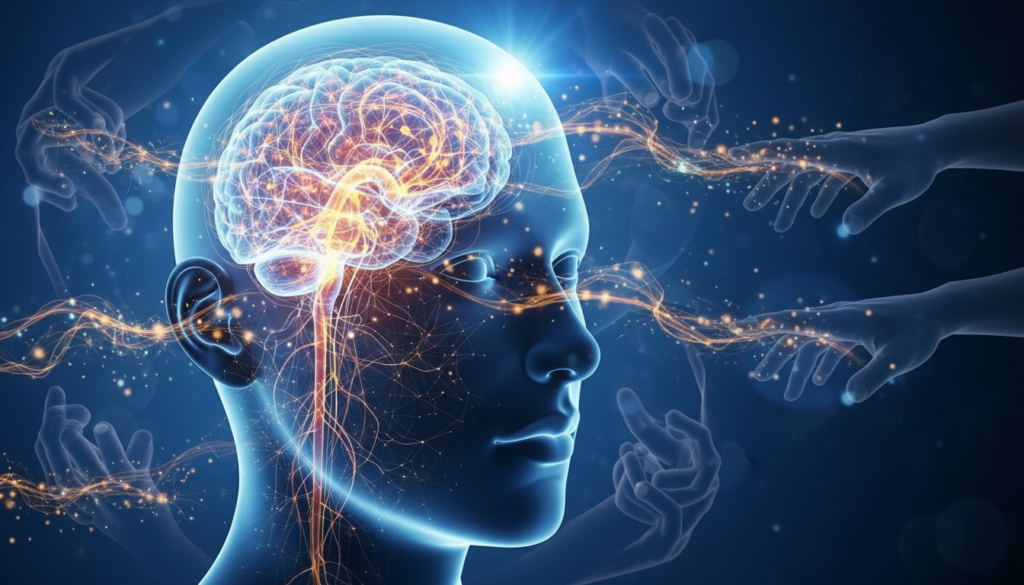

Have you ever reacted emotionally to a situation and later wondered, Why did I respond that way. Or perhaps you have met someone who stays calm under pressure, handles criticism gracefully, and communicates effectively even during conflict. The difference often comes down to emotional skills specifically emotional awareness vs emotional intelligence difference
Although these terms are frequently used interchangeably, they are not the same. Emotional awareness is the ability to recognize and understand your emotions, while emotional intelligence is the broader ability to manage emotions, empathize with others, and use emotional information to make better decisions.
Understanding the distinction between these two concepts can improve your personal relationships, workplace performance, communication skills, and overall mental well-being. Whether you’re a student, professional, leader, or someone interested in personal growth, developing both skills can have a lasting positive impact.
In this comprehensive guide, you’ll learn what emotional awareness and emotional intelligence mean, how they differ, why they matter, and practical strategies to strengthen both.
What Is Emotional Awareness?
Emotional awareness is the ability to recognize, identify, and understand your own emotions as they occur. It involves paying attention to your feelings without immediately judging or suppressing them.
For example, imagine you’re feeling irritated after a meeting. Instead of assuming you’re simply in a bad mood, emotional awareness helps you identify that you’re actually feeling disappointed because your ideas weren’t acknowledged. This deeper understanding gives you clarity and helps you respond thoughtfully rather than reacting impulsively.
People with high emotional awareness can:
- Recognize their emotions quickly.
- Identify emotional triggers.
- Understand why they feel a certain way.
- Notice how emotions affect thoughts and behavior.
- Express feelings more accurately.
Emotional awareness is often considered the foundation of emotional growth because you can’t effectively manage emotions that you don’t recognize.
Why Emotional Awareness Matters
Being emotionally aware helps you:
- Reduce impulsive reactions.
- Build stronger relationships.
- Improve communication.
- Make better decisions.
- Handle stress more effectively.
- Increase self confidence.
- Improve overall mental health.
Without emotional awareness, emotions often control your actions instead of informing your decisions.
Signs of High Emotional Awareness
People with strong emotional awareness typically:
- Can accurately describe their emotions.
- Notice subtle emotional changes.
- Accept difficult feelings without denial.
- Reflect on emotional experiences.
- Learn from emotional mistakes.
- Understand their personal emotional triggers.
Real Life Examples of Emotional Awareness
Consider these everyday situations:
Example 1:
Before an important presentation, you recognize that your racing heart isn’t a sign of failure but a natural response to anxiety.
Example 2:
During an argument with a friend, you realize you’re actually feeling hurt rather than angry, allowing for a more honest conversation.
Example 3:
After receiving constructive criticism, you identify feelings of embarrassment and insecurity instead of immediately becoming defensive.
These moments of recognition create opportunities for healthier responses.
What Is Emotional Intelligence?
Emotional intelligence (often called EQ) is the ability to recognize, understand, manage, and use emotions effectively in yourself and others.
Unlike emotional awareness, emotional intelligence extends beyond simply noticing emotions. It includes regulating emotional responses, building relationships, showing empathy, resolving conflicts, and making thoughtful decisions.
Psychologist Daniel Goleman popularized emotional intelligence by identifying five core components:
1. Self Awareness
Understanding your emotions, strengths, weaknesses, and values.
2. Self Regulation
Managing emotions instead of allowing emotions to control your behavior.
3. Motivation
Using emotions to remain focused, optimistic, and committed to long-term goals.
4. Empathy
Understanding and responding appropriately to other people’s emotions.
5. Social Skills
Building positive relationships through effective communication, collaboration, and conflict resolution.
Together, these abilities allow individuals to navigate both personal and professional situations successfully.
Why Emotional Intelligence Matters
High emotional intelligence contributes to:
- Better leadership.
- Improved teamwork.
- Healthier relationships.
- Increased resilience.
- Effective communication.
- Better conflict management.
- Higher job performance.
- Greater career success.
Research consistently shows that emotional intelligence is one of the strongest predictors of leadership effectiveness and interpersonal success.
Everyday Examples of Emotional Intelligence
Imagine these scenarios:
- A manager calmly resolves tension between two employees instead of taking sides.
- A parent patiently listens to a frustrated child before offering advice.
- A coworker accepts criticism professionally and uses it to improve.
- A friend notices you’re stressed and offers support without being asked.
These behaviours require more than emotional awareness they demonstrate emotional intelligence in action. For a closer look at how this plays out day to day, these real life examples of emotional intelligence break down what strong EQ actually looks like in relationships, work, and everyday conversations.
Emotional Awareness vs Emotional Intelligence: Key Differences
Although emotional awareness and emotional intelligence are closely connected, they represent different levels of emotional development. Emotional awareness focuses on recognizing and understanding emotions, while emotional intelligence involves using that awareness to manage emotions, build relationships, and make sound decisions.
Think of emotional awareness as knowing what you’re feeling, and emotional intelligence as knowing what to do with those feelings.
Someone might recognize that they feel anxious before giving a presentation (emotional awareness), but emotional intelligence allows them to calm themselves, stay confident, and deliver the presentation effectively.
Quick Comparison Table
| Feature | Emotional Awareness | Emotional Intelligence |
|---|---|---|
| Definition | Recognizing and understanding your emotions | Recognizing, managing, and using emotions effectively |
| Primary Focus | Self-awareness | Self and others |
| Goal | Identify emotions | Manage emotions and relationships |
| Main Skills | Identifying feelings, recognizing emotional triggers | Self-regulation, empathy, communication, leadership |
| Scope | One foundational skill | A broader set of emotional skills |
| Example | “I’m feeling frustrated.” | “I’m frustrated, but I’ll respond calmly instead of arguing.” |
| Benefits | Greater self understanding | Better relationships, decision-making, and leadership |
Emotional Awareness vs Emotional Intelligence: Detailed Comparison
1. Recognition vs. Action
Emotional awareness is about noticing emotions as they arise. Emotional intelligence goes a step further by determining the most constructive way to respond.
For example, after receiving unexpected criticism at work, emotional awareness helps you realize you’re feeling embarrassed. Emotional intelligence enables you to accept the feedback, ask thoughtful questions, and use it to improve rather than reacting defensively.
2. Internal Focus vs Broader Perspective
Emotional awareness primarily involves understanding your own internal emotional state.
Emotional intelligence expands that focus to include:
- Understanding other people’s emotions
- Responding appropriately
- Building trust
- Managing social interactions
- Strengthening relationships
This broader perspective makes emotional intelligence especially valuable in leadership, teamwork, and family life.
3. Observation vs Regulation
Being aware of your emotions doesn’t automatically mean you can control them.
For instance, someone may recognize they’re angry but still shout during an argument. That shows emotional awareness without effective emotional intelligence.
A person with strong emotional intelligence recognizes the same anger but chooses to pause, breathe, and communicate respectfully.
4. Personal Insight vs Relationship Skills
Emotional awareness helps you understand yourself.
Emotional intelligence helps you:
- Resolve conflicts peacefully
- Listen actively
- Build stronger friendships
- Improve teamwork
- Inspire confidence in others
In many careers, these interpersonal skills are just as important as technical knowledge.
5. Foundation vs Complete Skill Set
You cannot develop emotional intelligence without first becoming emotionally aware.
The progression typically looks like this:
Notice your emotions→ Understand why you’re feeling them → Regulate your response → Understand others → Build healthy relationships
This is why emotional awareness is often described as the first step toward emotional intelligence.
Emotional Awareness in Everyday Life
Recognizing emotions in daily situations can prevent misunderstandings and improve decision-making.
Example 1: Before an Important Exam
You notice butterflies in your stomach and racing thoughts.
Instead of assuming you’ll fail, you recognize these feelings as normal performance anxiety. This awareness allows you to prepare calmly instead of panicking.
Example 2: During an Argument
A family member makes a comment that upsets you.
Rather than immediately reacting with anger, you realize you’re actually feeling hurt and misunderstood. Recognizing the true emotion makes it easier to explain your feelings clearly.
Example 3: Feeling Overwhelmed at Work
You’ve been unusually irritable all week.
After reflecting, you realize you’re emotionally exhausted because you’ve been working long hours without taking breaks. This awareness encourages you to prioritize rest and set healthier boundaries.
Emotional Intelligence in Action
Emotional intelligence becomes visible through everyday behavior.
1.Workplace Example
A project deadline is missed, and tensions are high.
Instead of blaming the team, an emotionally intelligent manager listens to everyone’s concerns, identifies the underlying issues, and creates a constructive plan moving forward.
The result is improved morale and stronger collaboration.
2.Relationship Example
Your partner seems unusually quiet after work.
Rather than assuming they’re upset with you, you ask how they’re feeling and listen without interrupting. Your empathy strengthens trust and communication.
3.Leadership Example
A team member makes a costly mistake.
An emotionally intelligent leader provides constructive feedback, encourages learning, and helps the employee improve instead of creating fear or embarrassment.
This approach builds loyalty and long term performance.
Why Emotional Awareness Comes Before Emotional Intelligence
Imagine trying to repair a problem without first identifying what went wrong. The same principle applies to emotions.
If you don’t recognize your emotional state, you cannot regulate it effectively.
For example:
- You can’t manage stress if you don’t realize you’re stressed.
- You can’t overcome jealousy if you refuse to acknowledge it.
- You can’t improve communication if you don’t recognize your frustration.
Emotional awareness serves as the foundation upon which emotional intelligence is built.
A Simple Four Step Framework
- Recognize what you’re feeling.
- Understand why you’re feeling it.
- Regulate your emotional response.
- Respond with empathy, clarity, and purpose.
Practicing these four steps consistently helps transform emotional reactions into thoughtful responses.
Can You Have Emotional Awareness Without Emotional Intelligence?
Yes. This is more common than many people realize.
A person may be highly aware of their emotions yet struggle to manage them effectively.
For example:
- Someone knows they’re anxious but avoids every challenging situation.
- A person recognizes they’re angry but still lashes out at loved ones.
- An employee understands they’re stressed but continues unhealthy work habits.
In each case, emotional awareness is present, but emotional intelligence is underdeveloped.
On the other hand, improving emotional intelligence requires practicing skills such as self-control, empathy, communication, resilience, and conflict resolution. These abilities grow over time through experience, reflection, and intentional practice.
Benefits of Developing Emotional Awareness and Emotional Intelligence
Developing both emotional awareness and emotional intelligence can transform nearly every aspect of your life. While emotional awareness helps you understand what’s happening internally, emotional intelligence enables you to respond in ways that improve your relationships, career, and overall well being.
Instead of reacting impulsively, you begin making thoughtful decisions based on understanding rather than emotion alone.
1. Stronger Personal Relationships
Healthy relationships are built on trust, empathy, and communication all of which are strengthened by emotional intelligence.
When you’re emotionally aware, you recognize your feelings before expressing them. Emotional intelligence helps you communicate those feelings respectfully while also understanding the emotions of others.
As a result, you’re more likely to:
- Resolve conflicts peacefully.
- Listen without interrupting.
- Express emotions clearly.
- Build trust over time.
- Create healthier family and romantic relationships.
Example
Imagine your friend forgets your birthday. Instead of immediately assuming they don’t care, emotional awareness helps you identify that you’re feeling hurt. Emotional intelligence allows you to have an honest conversation rather than ending the friendship over a misunderstanding.
2. Better Decision Making
Strong emotions can cloud judgment.
Fear may prevent opportunities.
Anger may damage relationships.
Stress may lead to poor choices.
People with high emotional intelligence learn to pause before reacting. They evaluate situations logically while still acknowledging their emotions.
This balanced approach often leads to wiser personal and professional decisions.
3. Improved Mental Well Being
Ignoring emotions rarely makes them disappear.
Instead, suppressed emotions often contribute to:
- Chronic stress
- Anxiety
- Burnout
- Emotional exhaustion
- Relationship problems
Bottling up how you feel instead of processing it is a habit worth examining closely; understanding why emotional suppression is harmful can help explain why avoidance so often backfires over time. Emotional awareness encourages healthy emotional processing, while emotional intelligence teaches constructive coping strategies.
Emotional awareness encourages healthy emotional processing, while emotional intelligence teaches constructive coping strategies.
Together, they promote greater emotional resilience and long-term psychological well being.
4. Greater Workplace Success
Today’s employers increasingly value emotional intelligence alongside technical expertise.
Employees with strong emotional skills tend to:
- Collaborate effectively.
- Adapt to change.
- Handle workplace pressure.
- Resolve disagreements professionally.
- Support their colleagues.
- Communicate clearly.
These qualities often lead to promotions, leadership opportunities, and stronger professional reputations.
Leadership Example
A leader with high emotional intelligence notices that a normally productive employee has become withdrawn. Instead of criticizing their performance, the leader schedules a private conversation, listens with empathy, and offers appropriate support.
This approach improves both morale and productivity.
5. Increased Self Confidence
Understanding your emotions helps you better understand yourself.
Rather than feeling controlled by emotions, you gain confidence because you know:
- What triggers you.
- What motivates you.
- How you typically respond under pressure.
- Which situations challenge you.
Self knowledge creates confidence because fewer situations catch you by surprise.
How to Improve Emotional Awareness
Like any skill, emotional awareness can be developed through consistent practice.
Here are several effective techniques.
1.Keep an Emotion Journal
Spend five minutes each evening writing about your emotional experiences.
Ask yourself:
- What emotion did I experience today?
- What caused it?
- How did I respond?
- Would I react differently next time?
Over time, patterns become easier to recognize.
2.Expand Your Emotional Vocabulary
Many people describe every difficult feeling as simply “stress.”
However, emotions are much more nuanced.
Instead of saying:
“I feel bad.”
Try identifying more specific emotions such as:
- Disappointed
- Frustrated
- Embarrassed
- Lonely
- Overwhelmed
- Guilty
- Hopeful
- Excited
- Nervous
- Grateful
The more accurately you label emotions, the easier they become to understand and manage.
3.Practice Mindfulness
Mindfulness encourages you to observe emotions without immediately reacting.
Simple practices include:
- Deep breathing
- Body scans
- Meditation
- Quiet reflection
- Spending time in nature
Even five to ten minutes per day can improve emotional awareness over time.
4.Notice Physical Signals
Your body often detects emotions before your mind does.
Pay attention to signs such as:
- Tight shoulders
- Racing heartbeat
- Clenched jaw
- Sweaty hands
- Upset stomach
- Restlessness
These physical cues can help you identify emotions early.
5.Identify Emotional Triggers
Everyone has situations that trigger strong emotional reactions.
Common triggers include:
- Criticism
- Rejection
- Feeling ignored
- Financial stress
- Heavy workloads
- Family conflict
- Uncertainty
Recognizing your triggers helps you prepare healthier responses.
How to Improve Emotional Intelligence
Building emotional intelligence requires ongoing practice in both self management and social interaction.
1.Pause Before Reacting
When emotions become intense, pause before speaking or acting.
Ask yourself:
- What am I feeling?
- Why am I feeling this?
- What’s the best response?
This brief pause often prevents regret later.
2.Develop Active Listening Skills
Many people listen only to reply.
Emotionally intelligent people listen to understand.
Practice by:
- Maintaining eye contact.
- Avoiding interruptions.
- Asking thoughtful questions.
- Reflecting what the other person says.
- Showing genuine curiosity.
People feel respected when they know they’ve truly been heard.
3.Strengthen Empathy
Empathy means trying to understand another person’s perspective, even if you disagree.
Before responding, consider:
- What might they be experiencing?
- Why might they feel this way?
- What support would they appreciate?
Empathy strengthens trust and reduces unnecessary conflict.
Learn Emotional Regulation Techniques
Managing emotions doesn’t mean suppressing them. If pausing before you react is hard in the moment, working through structured emotional regulation techniques can give you concrete tools to steady yourself before responding.
Healthy regulation strategies include:
- Deep breathing
- Taking a short walk
- Counting to ten
- Journaling
- Speaking with someone you trust
- Practicing gratitude
- Getting enough sleep
- Regular physical activity
These habits improve emotional balance over time.
Welcome Constructive Feedback
Emotionally intelligent people don’t view feedback as a personal attack.
Instead, they ask:
- What can I learn?
- How can I improve?
- Which strengths can I build upon?
A growth mindset supports continuous personal development.
Common Misconceptions
Despite growing awareness, several myths still surround emotional awareness and emotional intelligence.
Myth 1: They’re Exactly the Same
Reality: Emotional awareness is one component of emotional intelligence not the entire concept.
Myth 2: Emotional Intelligence Is Something You’re Born With
Reality: Research shows emotional intelligence can be developed through practice, self-reflection, and experience.
Myth 3: Emotionally Intelligent People Never Get Angry
Reality: Everyone experiences difficult emotions. The difference lies in how those emotions are managed and expressed.
Myth 4: Emotions Should Always Be Controlled
Reality: Healthy emotional expression is just as important as emotional regulation. The goal isn’t to eliminate emotions but to respond to them constructively.
Myth 5: High IQ Means High EQ
Reality: Intelligence and emotional intelligence are different abilities. Someone can be academically brilliant while struggling with communication, empathy, or emotional regulation.
Emotional Awareness vs Emotional Intelligence: Which Is More Important?
This is one of the most common questions people ask when learning about emotional skills. The truth is that both emotional awareness and emotional intelligence are essential, and neither can fully replace the other.
Think of emotional awareness as the foundation of a house and emotional intelligence as the finished structure built on top of it.
Without emotional awareness, you may struggle to identify what you’re feeling or why you’re reacting in a certain way. Without emotional intelligence, you might recognize your emotions but still find it difficult to manage them, communicate effectively, or build healthy relationships.
Rather than asking which is more important, it’s more helpful to understand how they work together:
- Emotional Awareness helps you recognize and understand emotions.
- Emotional Intelligence helps you manage emotions and use them wisely.
The strongest communicators, leaders, parents, teachers, and professionals develop both skills throughout their lives.
Quick Summary: Emotional Awareness vs Emotional Intelligence
| Emotional Awareness | Emotional Intelligence |
|---|---|
| Recognizes emotions | Manages emotions effectively |
| Focuses on self-understanding | Focuses on self and others |
| Identifies emotional triggers | Responds constructively to challenges |
| Builds self-awareness | Builds empathy and social skills |
| First step of emotional growth | Complete emotional skill set |
| Helps understand feelings | Helps improve relationships and decision-making |
Frequently Asked Questions
Is emotional awareness the same as emotional intelligence?
No. Emotional awareness is the ability to recognize and understand your own emotions, while emotional intelligence includes managing emotions, showing empathy, building relationships, and making thoughtful decisions. Emotional awareness is one important component of emotional intelligence.
Which comes first: emotional awareness or emotional intelligence?
Emotional awareness comes first. You need to recognize and understand your emotions before you can regulate them or use them effectively in everyday situations.
Can emotional intelligence be learned?
Yes. Emotional intelligence is a skill that can be developed through self-reflection, mindfulness, active listening, empathy, and consistent practice. People of all ages can strengthen their EQ over time.
Why is emotional awareness important?
Emotional awareness helps you understand your feelings, identify emotional triggers, reduce impulsive reactions, and make better decisions. It also improves communication and supports better mental well-being.
Can someone have emotional awareness but low emotional intelligence?
Yes. A person may recognize their emotions but still struggle to control them, communicate effectively, or understand the emotions of others. Emotional intelligence requires additional skills beyond awareness.
How can I improve emotional awareness?
You can improve emotional awareness by keeping an emotion journal, practicing mindfulness, expanding your emotional vocabulary, reflecting on daily experiences, and identifying emotional triggers.
Final Thoughts
Understanding the difference between emotional awareness and emotional intelligence is an important step toward personal and professional growth.
Emotional awareness allows you to recognize and understand your emotions as they happen. It helps you identify emotional triggers, understand your reactions, and become more mindful of your inner experiences. However, awareness alone isn’t enough.
Emotional intelligence builds upon that awareness by teaching you how to regulate emotions, communicate effectively, empathize with others, solve problems calmly, and build meaningful relationships.
Together, these skills create a strong foundation for success in every area of life from managing stress and improving mental well-being to becoming a better leader, partner, friend, and communicator.
Key Takeaways
- Emotional awareness is the ability to recognize and understand your emotions.
- Emotional intelligence is the ability to manage emotions and use them effectively.
- Emotional awareness is the foundation of emotional intelligence.
- Both skills improve communication, relationships, leadership, and decision-making.
- Emotional intelligence can be learned and strengthened through consistent practice.
- Developing both abilities leads to greater resilience, self-confidence, and long-term personal growth.