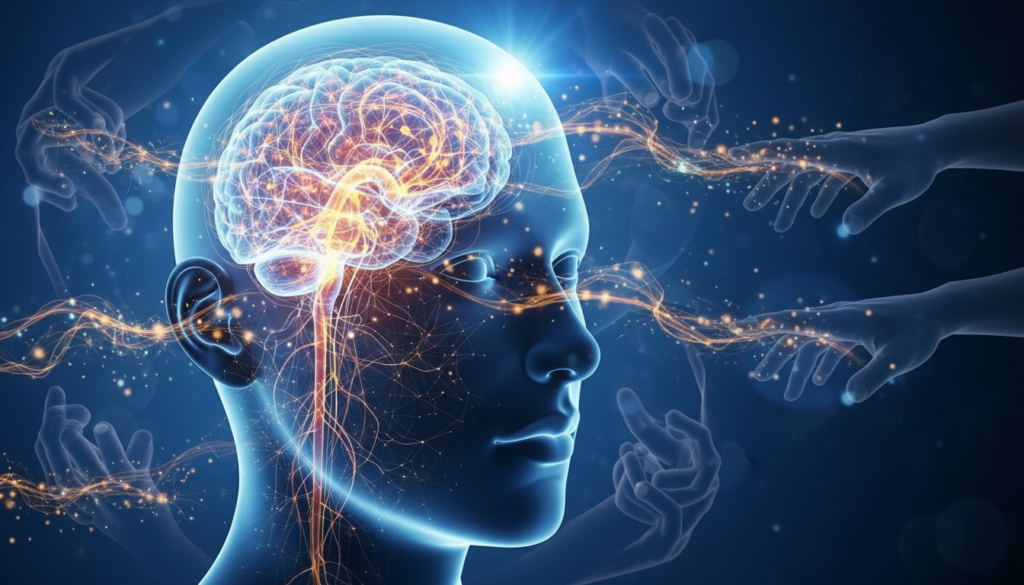
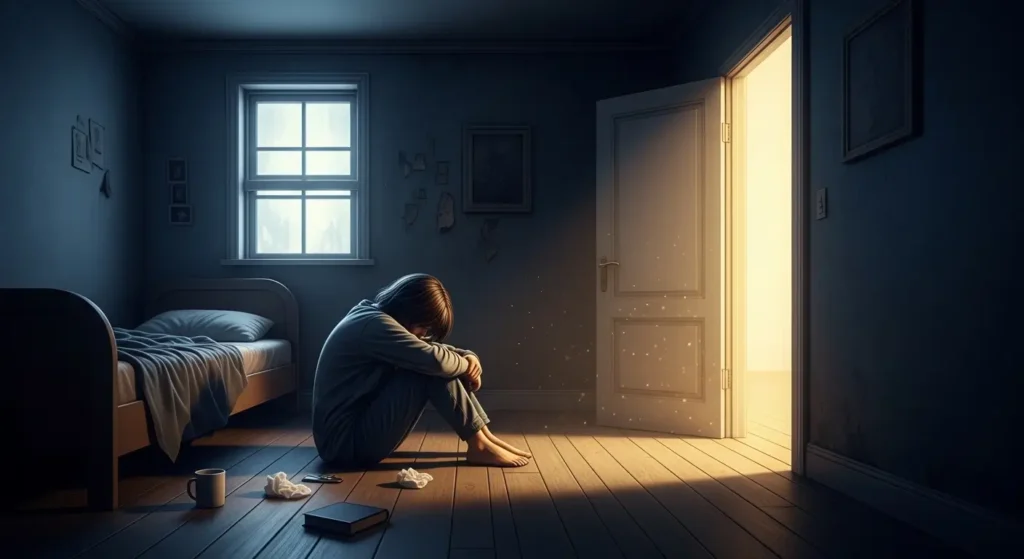
How isolation affects mental health in deeply serious ways. When a person spends extended time cut off from social connection, the brain begins to respond as if it is under threat. Research shows that chronic loneliness and social withdrawal can trigger anxiety, depression, poor sleep, weakened immune function, and even cognitive decline. The effects are not just emotional but biological, affecting how the brain processes emotions, manages stress, and regulates mood.
For millions of Americans, especially after the COVID-19 pandemic, isolation became a daily reality. Many people are still dealing with the mental health fallout years later. Whether the isolation is physical, emotional, or social, the damage it causes is real and measurable. The good news is that healing is entirely possible. With the right strategies, support systems, and daily habits, people can reconnect with life, rebuild relationships, and restore their mental health over time.
What Is Social Isolation and Who Does It Affect
Social isolation means being physically or emotionally cut off from meaningful human connection. It is not the same as enjoying alone time or being introverted. Isolation becomes a problem when a person has little to no regular contact with others and begins to feel disconnected, invisible, or forgotten.
It can affect people of all ages and backgrounds. However, certain groups face higher risk:
- Older adults living alone or in care facilities
- College students adjusting to a new environment
- Remote workers with no in-person social routine
- People dealing with chronic illness or disability
- Immigrants and refugees in unfamiliar communities
- Individuals going through divorce, grief, or job loss
How Isolation Damages the Brain and Mental Health

The Brain Treats Loneliness Like Physical Pain
Neuroscience has shown that social pain and physical pain activate the same regions in the brain. When someone is isolated for long periods, the brain enters a state of hypervigilance, constantly scanning for threats. This keeps the body locked in a low-grade stress response, which slowly wears down mental and physical health.
The Role of Cortisol and Chronic Stress
Isolation triggers elevated cortisol levels. Cortisol is the stress hormone. Short bursts of it are normal and helpful. But when cortisol stays high for weeks or months, it begins to disrupt sleep, suppress immune function, increase inflammation, and damage areas of the brain connected to memory and emotional regulation.
Disrupted Dopamine and Serotonin Levels
Social connection naturally boosts dopamine and serotonin, two neurotransmitters tied to mood, motivation, and happiness. When a person is isolated, these chemicals drop. This is one reason why prolonged isolation often leads to depression, low energy, and a loss of interest in things that once brought joy. If you have been experiencing persistent worry or nervousness alongside these symptoms, it helps to understand how talking to someone reduces anxiety and why that simple act can begin to shift your brain chemistry in a positive direction.
Mental Health Effects of Isolation at a Glance
| Mental Health Condition | How Isolation Contributes | Risk Level |
|---|---|---|
| Depression | Drops serotonin and dopamine, increases hopelessness | Very High |
| Anxiety | Triggers hypervigilance and fear-based thinking | High |
| Cognitive Decline | Reduces brain stimulation and social processing | Moderate to High |
| Sleep Disorders | Elevated cortisol disrupts sleep cycles | High |
| Low Self-Worth | Lack of social feedback reduces sense of value | Moderate |
| PTSD and Trauma | Isolation amplifies trauma responses without support | High |
Key Factors That Determine How Badly Isolation Affects Mental Health

Not everyone who spends time alone suffers the same way. Several factors influence how deeply isolation affects a person.
- Duration: Short term isolation is far less damaging than months or years of disconnection.
- Choice: Chosen solitude feels different from forced isolation. Volunteering to be alone is healthier than feeling trapped.
- Quality of existing relationships: People with strong bonds recover faster when they reconnect.
- Pre-existing mental health conditions: Those already dealing with depression or anxiety are at greater risk.
- Daily routine and purpose: Having structure and goals can buffer some of the psychological damage.
- Access to digital or remote connection: Video calls and online communities offer partial but meaningful relief.
Real Life Scenarios: How Isolation Plays Out for Americans
Scenario 1: The Remote Worker Jake, a 34-year old software developer in Chicago, switched to fully remote work in 2020. At first, he loved it. No commute, no office politics. Two years later, he realized he had not had a genuine conversation with anyone outside his apartment in weeks. He started sleeping more, eating poorly, and feeling a persistent sense of emptiness. He eventually sought therapy and was diagnosed with mild depression directly tied to social isolation.
Scenario 2: The Elderly Widow Margaret, 71, lost her husband of 45 years and moved into a smaller apartment across the country to be closer to family. Her children were busy, and she found herself alone most days. She stopped cooking, stopped dressing up, and gradually withdrew from phone calls. Her doctor noticed signs of anxiety and early memory issues, both linked to her isolation.
Scenario 3: The Post-Pandemic College Student Alyssa started college online in 2020. She never experienced dorm life, campus clubs, or casual social bonding. By the time in-person classes returned, she found it difficult to connect with peers, felt intense social anxiety, and struggled with self-worth. These are direct consequences of formative year isolation. Many young people in her situation have found it easier to start by reaching out when they feel alone at night, using that quieter, lower pressure moment as a first step toward reconnection.
Short Term vs Long Term Effects of Isolation on Mental Health
| Timeframe | Psychological Effects | Physical Effects |
|---|---|---|
| Days to Weeks | Restlessness, mild sadness, irritability | Poor sleep, appetite changes |
| Weeks to Months | Anxiety, depression symptoms, low motivation | Fatigue, headaches, weakened immunity |
| Months to Years | Chronic depression, hopelessness, identity loss | Inflammation, cardiovascular stress, cognitive decline |
Common Mistakes People Make When Trying to Cope With Isolation
Many people try to manage isolation on their own, but end up making choices that deepen the problem rather than solve it.
- Staying on social media instead of real connection: Scrolling feeds loneliness rather than feeding connection.
- Assuming it will fix itself: Isolation tends to worsen without intentional action.
- Avoiding professional help due to stigma: Therapy is not a last resort. It is a first line solution.
- Filling the void with alcohol or substances: These numb pain temporarily but worsen depression and anxiety long-term.
- Comparing their social life to others: Social comparison during isolation is damaging and unrealistic.
- Waiting to feel ready: Motivation often comes after action, not before it.
How to Heal From the Effects of Isolation

1. Start With Small, Consistent Social Contact
You do not need to immediately attend big events or rebuild your entire social circle. Start small. Text one person today. Make one phone call this week. Attend one local event this month. Consistency matters more than scale. Research consistently shows the benefits of talking to someone even brief, regular conversations can restore your sense of connection and slowly rebuild the confidence that isolation strips away.
2. Get Into a Daily Routine
Structure is protective. A predictable routine gives the brain a sense of safety and control. Wake up at the same time, eat meals regularly, and schedule activities even if you are doing them alone. Routine reduces anxiety and builds momentum.
3. Volunteer or Join a Community Group
One of the fastest ways to rebuild social connection is through shared purpose. Volunteering gives you a reason to show up and interact with others without the pressure of forced socializing. Community groups, hobby clubs, and faith-based organizations offer the same benefit.
4. Seek Professional Support
Therapy is one of the most effective interventions for isolation-related mental health issues. Cognitive Behavourial Therapy in particular helps people identify negative thought patterns that isolation creates and replace them with healthier perspectives. Many therapists now offer telehealth sessions, which removes barriers for those still hesitant to go out.
5. Spend Time Outside Every Day
Nature and sunlight directly affect mood regulating chemicals in the brain. Even a 20-minute walk outside can lower cortisol, boost serotonin, and improve sleep. Being in public spaces, even without talking to anyone, reduces the brain’s isolation response.
6. Limit Screen Time and Social Media
Ironically, more time online often deepens feelings of loneliness. Set intentional limits on passive scrolling and replace that time with real-world activities or conversations. Even a phone call is far more nourishing than watching other people live their lives on a screen.
7. Practice Self Compassion
Isolation often breeds harsh self criticism. Many people blame themselves for pulling away or believe they are fundamentally unlovable. Self-compassion, treating yourself with the same kindness you would give a friend, is a critical part of healing. Journaling, mindfulness, and meditation can all help develop this skill.
Healing Strategies by Situation
| Your Situation | Best Starting Strategy | Additional Support |
|---|---|---|
| Working from home alone | Join a coworking space or virtual work group | Therapy, daily outdoor walks |
| Grieving a loss | Grief support group, community service | Counseling, journaling |
| New to an area | Neighborhood apps like Nextdoor, local clubs | Volunteering, fitness classes |
| Dealing with social anxiety | Gradual exposure through low-pressure settings | CBT therapy, mindfulness |
| Elderly and homebound | Regular family video calls, senior centers | Home visitor programs, pets |
| Post pandemic social withdrawal | Structured social commitments, accountability partner | Group therapy, hobby groups |
Conclusion
Understanding how isolation affects mental health is the first step toward healing. The damage is real, but so is the recovery. Your brain is wired for connection, and it will respond positively when you start rebuilding it, even slowly and imperfectly.
The most important thing is to start. One conversation, one walk, one appointment. Do not wait until you feel ready. Take the first step and let the momentum build from there. Millions of Americans are navigating the same struggle, and effective help is available at every level.
Key Takeaways
Isolation affects mental health by disrupting brain chemistry, raising cortisol, and reducing dopamine and serotonin.The longer isolation lasts, the more severe the effects on mood, cognition, and physical health.Common isolation related conditions include depression, anxiety, poor sleep, and cognitive decline.Recovery begins with small, consistent social contact and a structured daily routine.Professional support such as CBT therapy is highly effective for isolation driven mental health challenges.Self compassion, time outdoors, and limiting passive social media use are simple but powerful healing tools.Healing takes time, but it is absolutely possible with the right strategies and support.
FAQs
1.Can isolation cause permanent mental health damage?
Prolonged isolation can cause lasting changes in the brain, particularly in areas tied to emotion regulation and memory. However, the brain is highly adaptable. With proper intervention, therapy, and reconnection, most people can recover significantly. Early action leads to better outcomes.
2.How long does it take to recover from social isolation?
Recovery timelines vary. Some people feel noticeably better within weeks of rebuilding social contact. Others, particularly those who were isolated for years or who have pre-existing conditions, may need several months of consistent effort and professional support to fully heal.
3.Is being alone the same as being isolated?
No. Enjoying solitude is healthy and normal. Isolation becomes a problem when it is unwanted, prolonged, and accompanied by feelings of disconnection, loneliness, and a lack of meaningful relationships. The difference lies in choice and quality of connection.
4.Does online interaction help with isolation?
Online interaction provides partial relief. Video calls are more effective than text-based communication. However, digital connection does not fully replace the psychological and emotional benefits of in-person interaction. It is a helpful supplement, not a substitute.
5.What are the first signs that isolation is hurting your mental health?
Early warning signs include persistent low mood, reduced motivation, changes in sleep or appetite, increasing irritability, difficulty concentrating, and a growing sense of hopelessness or worthlessness. If these signs appear and last more than two weeks, seeking support is strongly recommended.