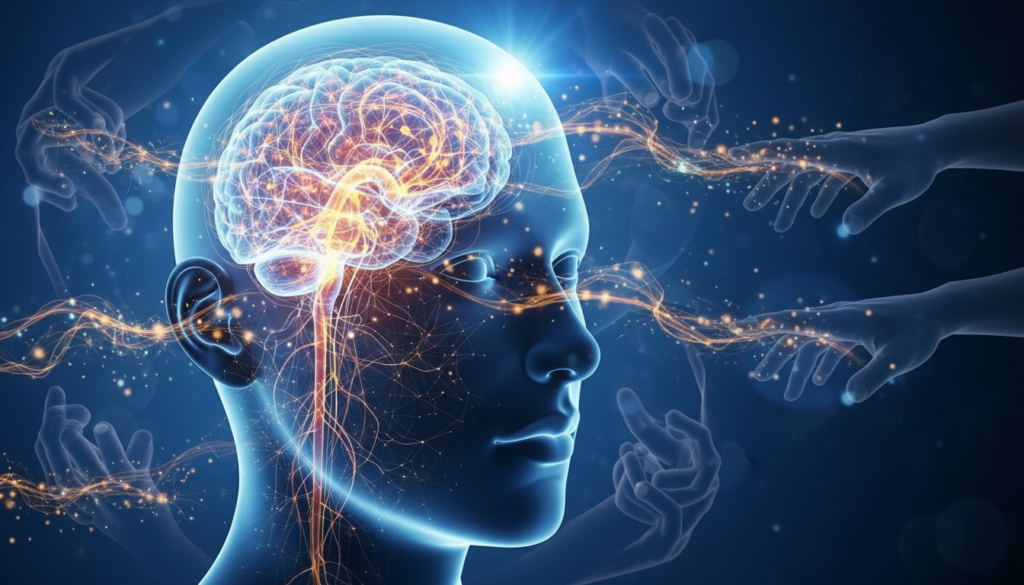

People prefer AI listeners over humans because AI provides instant, always available, and judgment free conversations. Users feel more comfortable sharing thoughts without fear of criticism, emotional reaction, or misunderstanding, which makes AI a safer space for open communication. This is the core reason behind the growing trend described by the focus keyword why people prefer AI listeners over humans.
Another key reason is consistency and privacy. AI listeners respond in a calm, neutral tone every time and are available 24/7, making them more reliable than human interactions that depend on mood, time, or availability. This combination of accessibility, anonymity, and emotional neutrality is driving more people to choose AI over traditional human listeners.
The Rise of AI Listeners in Modern Communication
Artificial intelligence has moved beyond simple automation and entered the emotional and conversational space. AI listeners are designed to simulate human like empathy, active listening, and supportive responses.
The rise of mobile apps, chatbots, and virtual assistants has made AI interaction more natural and accessible. People now use AI not only for productivity but also for emotional release, stress management, and personal reflection. In fact, many users discover support through platforms discussed in emotional support without therapy and similar mental wellness tools.
Key Drivers of Growth:
- Increased loneliness in urban lifestyles
- Remote work culture reducing social interaction
- Mental health awareness and self-help trends
- Advancements in natural language processing (NLP)
- 24/7 availability of AI systems
Psychological Reasons Behind AI Preference
The growing preference for AI listeners is deeply rooted in human psychology. Unlike humans, AI does not judge, interrupt, or emotionally react, which creates a safe conversational environment.
Many of these emotional patterns are also linked to issues like loneliness in digital age and modern communication gaps.
1.Emotional Comfort Without Pressure
Many individuals feel pressure when speaking to others due to fear of judgment or misunderstanding. AI eliminates this barrier.
2.Fear Free Expression
People can freely express thoughts, fears, and emotions without worrying about social consequences.
3.Control Over Conversation
Users can start, pause, or stop conversations at any time, giving them a sense of control.
Psychological Factors Table
| Psychological Factor | Human Interaction | AI Listener Advantage |
|---|---|---|
| Judgment Anxiety | High | None |
| Emotional Pressure | Medium to High | Low |
| Availability Stress | High | None |
| Communication Control | Limited | Full Control |
| Social Expectations | Present | Absent |
Key Benefits of AI Listeners Over Humans
AI listeners provide multiple advantages that align with modern digital lifestyles.
1. Always Available Support
Unlike humans, AI systems are available 24/7 without fatigue or emotional limitations.
2. Non Judgmental Interaction
Users feel safe sharing personal thoughts without fear of criticism.
3. Instant Response Time
AI provides immediate replies, reducing emotional waiting time.
4. Consistent Emotional Tone
AI maintains stable behavior without mood swings or emotional bias.
5. Scalable Support System
Millions of users can interact simultaneously without service degradation.
Comparison Between AI Listeners and Human Interaction
Understanding the differences helps explain why many people are shifting toward AI-based communication.
Comparison Table
| Feature | AI Listeners | Human Listeners |
|---|---|---|
| Availability | 24/7 | Limited |
| Emotional Bias | None | Present |
| Judgment Risk | None | Possible |
| Response Speed | Instant | Variable |
| Empathy Level | Simulated | Genuine |
| Privacy | High | Moderate |
AI cannot fully replace human emotional depth, but it provides consistency and accessibility that humans often cannot maintain.
Emotional Safety and Privacy Factors
One of the strongest reasons behind AI adoption is emotional safety. People often hesitate to share sensitive information with other humans due to trust issues. This is closely connected with concepts explained in emotional safe space.
Why Privacy Matters:
- Fear of gossip or information leakage
- Concerns about being misunderstood
- Social stigma around mental health discussions
- Workplace or relationship sensitivity
AI systems offer encrypted, private, and anonymous interaction environments, making users feel secure.
Emotional Safety Benefits:
- No emotional retaliation
- No social judgment
- No memory-based bias (in most systems)
- Safe space for self-expression
Real World Use Cases and Examples
AI listeners are now widely used in different scenarios across the world.
Use Case 1: Mental Health Support
People use AI chatbots to manage stress, anxiety, and loneliness between therapy sessions.
Use Case 2: Daily Emotional Venting
Users share daily frustrations and receive calm, structured responses.
Use Case 3: Relationship Reflection
Individuals use AI to analyze communication problems in relationships.
Use Case 4: Workplace Stress Relief
Employees use AI tools to decompress during breaks.
Use Case 5: Personal Growth Journaling
AI acts as a reflective partner helping users track emotions.
Limitations of AI Listeners
Despite their advantages, AI listeners also have limitations that must be understood.
Key Limitations:
- Lack of true human empathy
- No real emotional understanding
- Dependency risk
- Limited moral reasoning in complex situations
- Potential misinformation if not properly trained
Limitations Table
| Area | AI Strength | AI Weakness |
|---|---|---|
| Emotional Depth | Medium | No real feeling |
| Ethical Judgment | Rule-based | Context limitations |
| Relationship Bonding | Artificial | No human connection |
| Learning Ability | High | Data-dependent |
Future of AI in Emotional Communication
The future of AI listeners is expected to become even more advanced and human-like.
Predicted Trends:
- Emotionally aware AI systems
- Voice-based empathetic assistants
- Integration with wearable devices
- Personalized mental health AI coaches
- Multilingual emotional support systems
AI will not replace humans entirely but will act as a supportive layer in emotional well-being.
Future Impact Table
| Area | Expected Change |
|---|---|
| Mental Health | AI-assisted therapy growth |
| Communication | Hybrid human-AI interaction |
| Work Life | AI emotional support tools |
| Education | AI student counseling systems |
Frequently Asked Questions
Why do people prefer AI listeners over humans?
People prefer AI listeners due to privacy, non-judgmental responses, and 24/7 availability.
Can AI replace human emotional support?
No, AI can assist but cannot fully replace genuine human emotional connection.
Are AI listeners safe to use?
Yes, most AI systems are designed with privacy and security protocols.
Do AI listeners understand emotions?
AI simulates emotional understanding but does not truly feel emotions.
What are the benefits of using AI listeners?
They provide instant responses, emotional safety, and consistent communication.
Is there any risk of dependency on AI listeners?
Yes, over-reliance may reduce real human social interaction.
How are AI listeners used in mental health?
They are used for stress relief, journaling, and emotional tracking.
What is the future of AI listeners?
They will become more advanced, emotionally aware, and integrated into daily life.
Conclusion
The shift toward AI based emotional interaction reflects a major transformation in modern communication habits. People are increasingly drawn to systems that offer safety, privacy, and consistent emotional support without social pressure. While AI cannot fully replicate human empathy, it provides a valuable supplement to human interaction in a fast-paced, digitally connected world.
The growing trend of ai preference humans highlights how technology is reshaping emotional behaviour and communication patterns globally.
As AI continues to evolve, the future will likely include a balanced relationship between human connection and artificial emotional support systems, offering individuals the best of both worlds.