
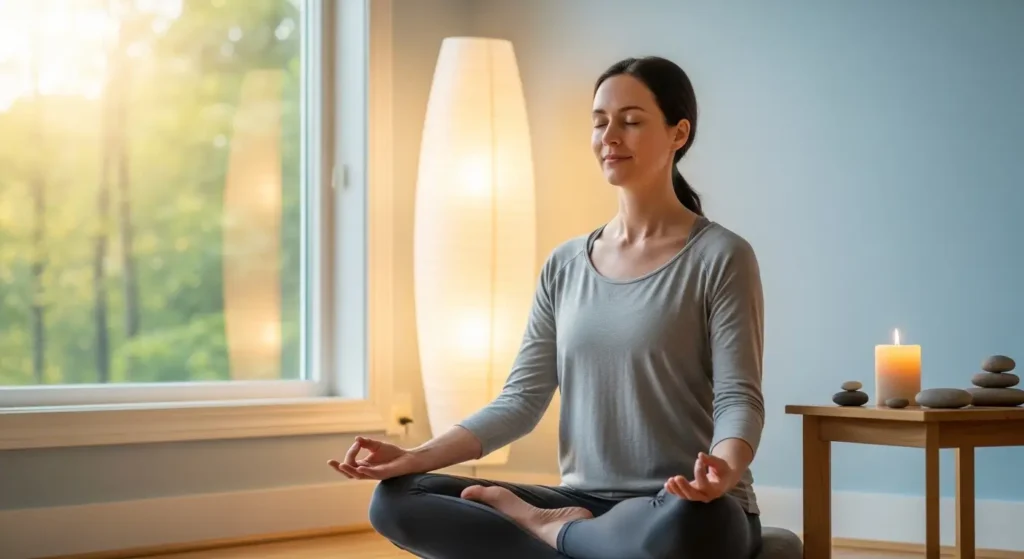
To release emotional stress in healthy ways, you need to combine physical movement, mindful breathing, creative expression, and social connection. Suppressing stress never works long term. The most effective approach targets both the body and the mind at the same time. Techniques like deep breathing, journaling, exercise, and therapy are proven by research to lower cortisol levels and improve emotional regulation.
Millions of Americans carry emotional stress daily without knowing how to process it properly. The good news is that releasing emotional stress does not require expensive programs or special equipment. Simple, science-backed habits done consistently can dramatically improve your mental health, your relationships, and your overall quality of life.
What Is Emotional Stress and Why Does It Build Up
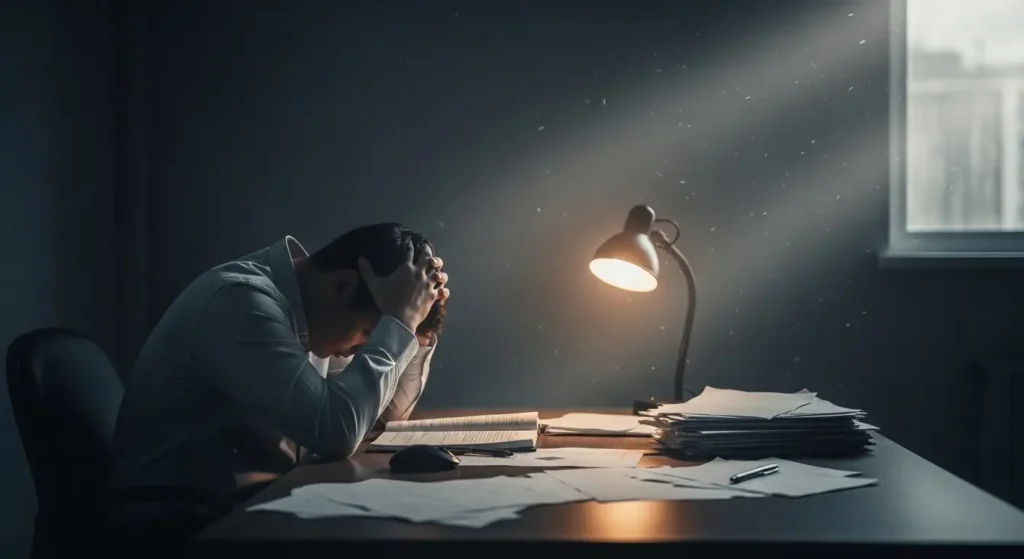
Emotional stress is the mental and physical tension your body holds when feelings like anxiety, sadness, anger, or overwhelm go unprocessed. It is not just being upset for a moment. It is what happens when those feelings pile up over days, weeks, or months without a healthy outlet.
Think of it like water filling a glass. When you skip processing your emotions, the glass keeps filling. Eventually it overflows, and that overflow shows up as physical symptoms, mood swings, burnout, or emotional numbness. Many people do not even realize how much damage bottling up emotions is doing to their mental and physical health until they are already in crisis mode.
Common Causes of Emotional Stress in the U.S
- Job pressure and workplace conflict
- Financial worries and debt
- Relationship problems and family tension
- Grief and loss
- Constant news cycle and social media overload
- Health concerns for yourself or a loved one
- Loneliness and social isolation
How the Body Holds Emotional Stress
When you experience stress, your body releases cortisol and adrenaline. These hormones are helpful in short bursts. They are meant to help you respond to danger quickly. But when stress becomes chronic, elevated cortisol damages your immune system, disrupts sleep, causes weight gain, and leads to anxiety and depression.
Emotional stress also lives in the body physically. You might notice a tight chest, a stiff neck, shallow breathing, or a knot in your stomach. These are not random sensations. They are your nervous system signaling that something needs to be released. Understanding how emotional support improves mental health at a biological level can help you take these signals more seriously instead of pushing through and ignoring them.
| Body Area | Common Stress Symptom | What It Signals |
|---|---|---|
| Chest | Tightness or pressure | Anxiety or suppressed emotion |
| Neck and Shoulders | Stiffness and pain | Carrying emotional burden |
| Stomach | Nausea or cramping | Unprocessed fear or worry |
| Jaw | Clenching or grinding | Repressed anger or tension |
| Head | Frequent headaches | Overthinking and mental overload |
Healthy Ways to Release Emotional Stress
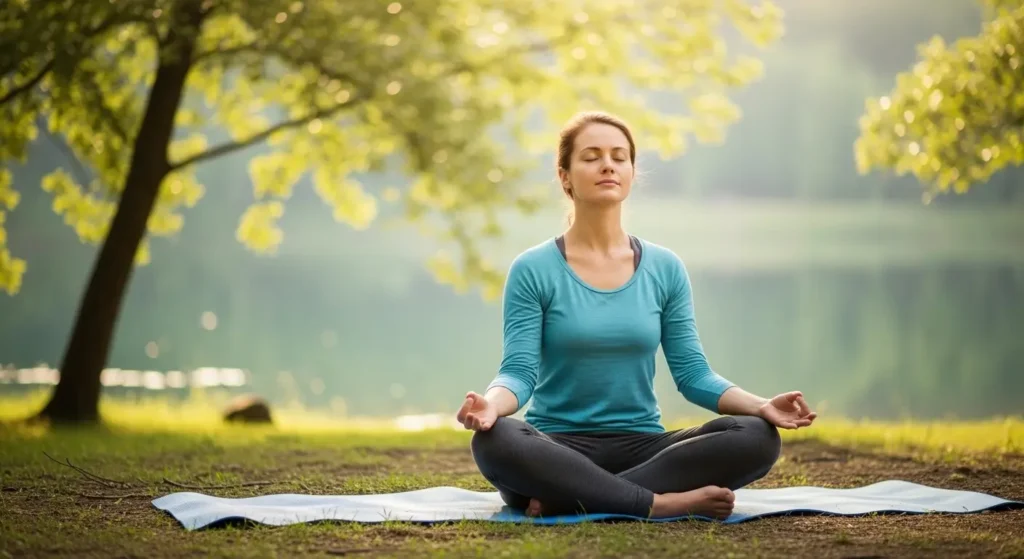
1. Deep Breathing and Breathwork
Your breath is the fastest tool you have to calm your nervous system. When you slow your breath down, you activate the parasympathetic system, which is the rest and recover mode. The 4-7-8 method works well: breathe in for 4 counts, hold for 7, exhale slowly for 8.
Even two minutes of slow, intentional breathing can lower your heart rate and reduce the flood of stress hormones in your body. Do this before a difficult conversation, after a hard day at work, or any time you feel your chest tightening.
2. Physical Exercise
Exercise is one of the most powerful ways to release emotional stress because it burns through stress hormones physically. A 30-minute walk, a run, a yoga class, or even dancing in your living room sends a signal to your brain that the threat is over and the body can relax.
Exercise also releases endorphins, which are natural mood lifters. Research from Harvard Medical School shows that regular aerobic exercise is as effective as medication for mild to moderate depression in many people.
3. Journaling and Expressive Writing
Writing out your feelings gives your brain a way to process them. You do not need to write perfectly. You are not writing for anyone else. The goal is to get what is stuck in your head onto the page so it stops swirling around internally.
Try writing for 10 to 15 minutes without stopping. Do not edit. Just write what you feel. Research by psychologist James Penne baker found that expressive writing improves both mental and physical health over time.
4. Talking to Someone You Trust
Verbalizing emotions is one of the oldest and most effective stress release tools humans have. When you talk to someone about stress, your brain processes the emotion differently than when you sit with it alone. The act of putting your feelings into words out loud helps your nervous system shift out of fight or flight mode.
This does not mean dumping your problems on everyone. It means having at least one or two people in your life with whom you can be honest and vulnerable. Even a 15-minute phone call can shift your emotional state significantly.
5. Creative Expression
Painting, drawing, playing music, cooking, gardening, or any creative activity gives your emotional energy somewhere to go. Art therapy is a recognized clinical practice precisely because creative expression bypasses the logical mind and taps directly into the emotional brain.
You do not need to be talented. You just need to be willing to let your hands do something while your mind unwinds. Many Americans find that picking up a creative hobby they dropped years ago becomes a powerful emotional release valve.
6. Spending Time in Nature
Studies from Stanford University found that people who walked in natural settings for 90 minutes showed significantly less activity in the area of the brain linked to rumination, which is repetitive negative thinking. Nature literally quiets the stress loop in your brain.
Even a 20 minute walk in a park, sitting by a lake, or watching a sunset can lower cortisol and bring emotional clarity. For city-dwellers, even green spaces within urban areas provide measurable benefits.
7. Meditation and Mindfulness
Mindfulness teaches you to observe your emotions without being controlled by them. Instead of reacting to stress automatically, you learn to notice it, name it, and let it pass without it overtaking you. Apps like Calm, Headspace, and Insight Timer make this accessible for beginners.
Even five minutes of sitting quietly and focusing on your breath each morning changes how your brain responds to stress throughout the day. Consistency matters more than duration when you are starting out.
8. Professional Therapy
If emotional stress is chronic, intense, or affecting your daily functioning, working with a licensed therapist is one of the most impactful things you can do. Cognitive behavioral therapy (CBT), EMDR for trauma, and somatic therapy all have strong evidence behind them for stress and emotional release.
Telehealth has made therapy far more accessible across the U.S. Platforms like BetterHelp and Talkspace allow you to connect with therapists from your home, often at reduced cost.
Comparison of Stress Release Methods
| Method | Time Needed | Cost | Best For | Skill Level |
|---|---|---|---|---|
| Deep Breathing | 2 to 5 min | Free | Immediate relief | Beginner |
| Exercise | 20 to 60 min | Free to low cost | Physical release | Any level |
| Journaling | 10 to 20 min | Free | Mental processing | Beginner |
| Meditation | 5 to 20 min | Free to low cost | Long-term resilience | Beginner |
| Therapy | 50 min/session | Moderate to high | Deep or chronic stress | Any level |
| Creative Expression | 30 min plus | Low | Emotional outlet | Any level |
| Nature Walks | 20 to 90 min | Free | Mental clarity | Any level |
Real Life Scenarios: How Americans Use These Techniques

Scenario 1: Work Burnout
A marketing manager in Chicago felt emotionally drained after months of back-to-back deadlines. She started taking a 25-minute walk at lunch every day and kept a five-sentence journal entry each night. Within three weeks, she felt more in control and less reactive at work.
Scenario 2: Relationship Conflict
A father in Texas was struggling with anger after repeated arguments with his teenage son. He started doing 10 minutes of breathwork before coming home each evening. The pauses he created gave him emotional space to respond instead of react.
Scenario 3: Grief
After losing her mother, a woman in Florida felt completely numb. A grief counselor suggested painting, even though she had never painted before. The creative process allowed her to cry and feel again, which she had been unable to do through words alone.
Common Mistakes People Make When Trying to Manage Stress
- Using alcohol, food, or screens as coping tools, which suppress emotion rather than release it
- Isolating and going quiet instead of reaching out for support
- Waiting until stress becomes a crisis before doing something about it
- Trying too many techniques at once and sticking with none of them
- Judging themselves for feeling stressed in the first place
- Skipping sleep, which is when the brain consolidates emotional experiences
- Treating stress relief as a one-time fix rather than a daily practice
Tips and Best Practices for Lasting Emotional Relief
- Start small. Even two minutes of breathwork is better than nothing.
- Make stress release part of your existing routine, not an extra task.
- Track your emotional state weekly so you notice patterns early.
- Combine physical and mental techniques for the strongest effect.
- Do not wait until you feel bad to practice. Build the habit when you feel okay.
- Be patient with yourself. Emotional regulation is a skill that improves with time.
- Create boundaries around situations and people that consistently drain your energy.
Daily Stress Release Routine at a Glance
| Time of Day | Activity | Duration | Purpose |
|---|---|---|---|
| Morning | Breathing or meditation | 5 to 10 min | Set calm baseline |
| Midday | Short walk outside | 15 to 20 min | Reset nervous system |
| Afternoon | Talk to a friend or coworker | 10 to 15 min | Social connection |
| Evening | Journaling or creative activity | 15 to 20 min | Process the day |
| Night | Screen-free wind down | 30 min | Prepare nervous system for sleep |
Conclusion
Learning to release emotional stress in healthy ways is one of the most important investments you can make in your overall wellbeing. It does not require perfection or a complete lifestyle overhaul. It requires awareness, consistency, and a willingness to treat your emotional health with the same seriousness you give your physical health.
Start with one or two techniques that feel approachable. Build from there. Your nervous system will thank you, and so will everyone around you.
Key Takeaways
Seek professional help if stress is chronic, intense, or affecting your daily lifeEmotional stress builds when feelings go unprocessed over timeThe body stores stress physically in the chest, neck, jaw, and stomachBreathing, exercise, journaling, and talking to someone are proven release methodsNature, creativity, meditation, and therapy all have strong evidence behind themAvoid numbing with alcohol, screens, or isolation, as these suppress rather than release stressA simple daily routine combining physical and mental techniques gives the best results
FAQs
1.What is the fastest way to release emotional stress?
Deep breathing is the fastest method. The 4-7-8 breathing technique activates your parasympathetic nervous system within minutes. Physical movement like a brisk walk or shaking your body also releases tension quickly.
2.Can crying help release emotional stress?
Yes. Crying is a natural biological stress release. It lowers cortisol and releases oxytocin. Many people feel emotionally lighter after a good cry. Suppressing tears can actually increase internal tension over time.
3.How long does it take to feel better after using stress release techniques?
Some techniques like breathing and movement give relief within minutes. Others, like journaling and meditation, build their full effect over weeks of consistent practice. Most people notice meaningful improvement within two to four weeks.
4.Is emotional stress dangerous if left untreated?
Yes. Chronic unprocessed emotional stress is linked to heart disease, high blood pressure, immune suppression, anxiety disorders, depression, and burnout. Treating it early is far easier than recovering from the long term consequences of ignoring it.
5.What is the difference between venting and actually releasing emotional stress?
Venting without reflection can sometimes keep you stuck in the story rather than moving through it. True emotional release involves processing the feeling so it loses its intensity, not just repeating what happened to someone else.