

A friend sends several messages about a difficult day. You care, but every reply you type sounds too small or too much. Start by responding to one specific thing they said, then ask what kind of support would help. You do not have to solve the situation to be useful.
For example: “Being told at the last minute sounds really frustrating. Do you want to talk through what happened, or would ideas help?” That reply shows you read the message and leaves the next step with your friend.
Read before choosing a reply
Notice whether your friend is describing an event, asking a question or telling you how they feel. “My manager moved the deadline again” and “Can you help me write a reply?” are different requests. If you treat both as an invitation to give a speech, you may miss what they need.
You also have less context in a text conversation. There is no reliable way to read tone from a full stop or a pause. When the meaning matters, ask a short clarifying question rather than building a response around a guess.
Replies for different moments
| What is happening | A possible reply | Why use it |
|---|---|---|
| They describe a disappointment | “You put a lot into that. What was the hardest part of hearing the news?” | Acknowledges the effort and invites their view |
| They apologise for messaging | “I can read for a little while. You do not need to make this sound tidy.” | Offers attention with an honest limit |
| You do not understand | “When you say you felt ignored, was that during the meeting or afterwards?” | Checks meaning instead of assuming |
| They ask what to do | “Would you like two ideas, or help choosing between the options you already have?” | Keeps advice relevant |
| You have to leave | “I need to put my phone away now. I can check back tomorrow afternoon.” | Explains the pause without promising constant access |
Only offer a follow-up you can realistically make. A short, honest reply is better than promising to be available all night when you cannot.
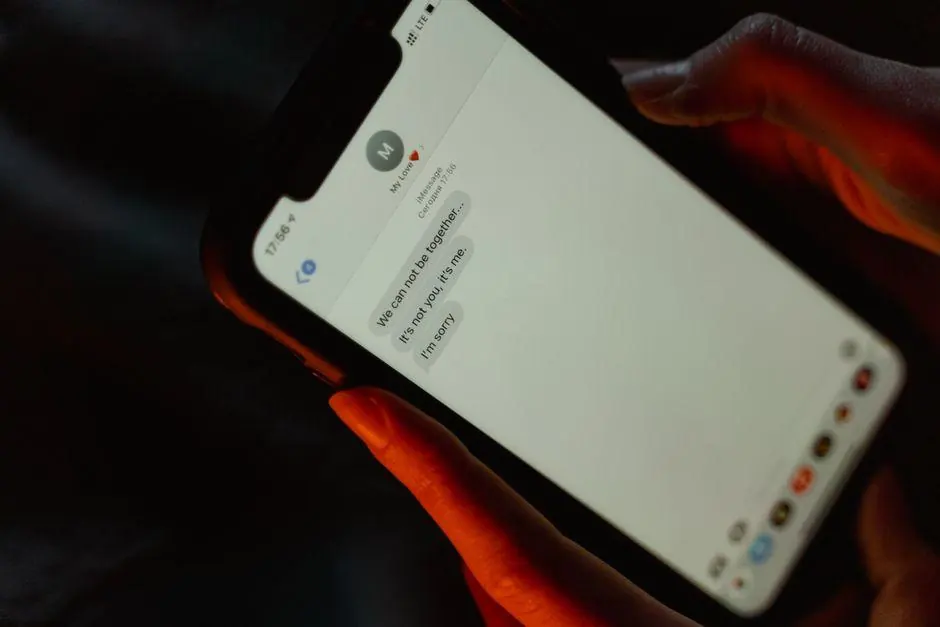
Acknowledge feelings without confirming every assumption
You can say, “That sounds upsetting,” without agreeing that a colleague deliberately humiliated them. It is possible to understand the feeling while leaving motives uncertain. Try: “I can see why that landed badly. Do you know whether they understood what you were asking?”
Avoid escalating the story with labels such as “They are definitely toxic” based on a few messages. Your friend may later want to resolve the disagreement. A reply that pushes them towards a dramatic conclusion can make that harder.
Our explanation of validation and advice explores the difference between recognising an experience and proposing a solution.
Do not turn every message into an interview
One question can open a conversation. Five questions at once can make it feel like homework. Sometimes a brief reflection is enough: “So the change itself was manageable, but the way you found out hurt.” Let your friend correct you if that is wrong.
You can also ask whether they want to change the format: “Would a short call be easier than typing?” Do not call unexpectedly if they may be at work, sharing a room or choosing text for privacy.
Mind’s conversation resource offers further practice in listening and supporting others. You do not need to become an expert to be a thoughtful friend.
When the messages keep coming
If the exchange has become more than you can manage, be clear about your availability. “I care about this, but I cannot give it proper attention while working” is more understandable than disappearing after saying you are free.
You may feel responsible for finding the perfect sentence that fixes the problem. That is more than an ordinary friendship can promise. Our guide to feeling responsible for other people’s feelings addresses that pressure.
These examples are for everyday support. If a message suggests immediate danger, treat that as a safety issue rather than a normal venting exchange: help the person reach appropriate urgent local support. A casual text thread or booked listening session is not an emergency response service.
Finish with a next step that fits
A useful ending might be “Would you like me to ask how the meeting went tomorrow?” or “Do you want to leave this here for tonight?” Do not assume a friend wants repeated check-ins or their situation discussed with others.
If they want someone outside the friendship to talk with, our guide to online conversation options separates different formats. Offer it as a choice, not a way to dismiss them.
Questions about supportive texts
Is “I’m sorry” a bad reply?
No. It can be warm and appropriate. Adding one specific acknowledgement can help it feel connected to their message rather than automatic.
What if I have no advice?
Say so honestly. “I do not know the answer, but I can listen for a while” can be useful when it matches what you can offer.
Should I send a similar story about myself?
Keep it brief and check whether it helps. If your story takes over, return to your friend: “That was my experience, but yours may be different. What was it like for you?”