
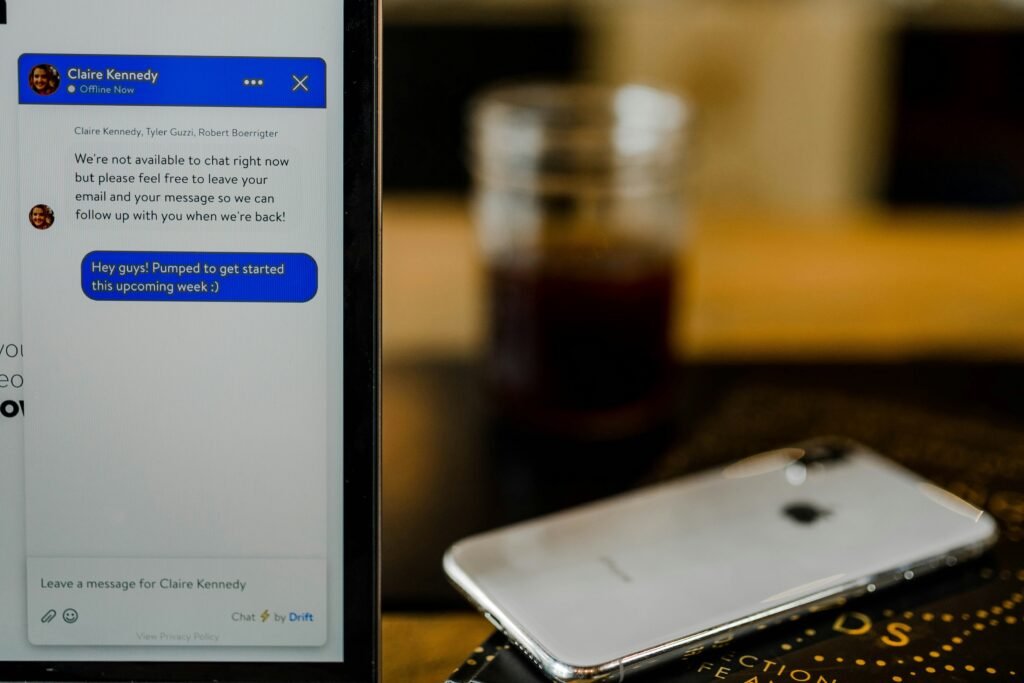
Emotional well being is increasingly supported by digital tools that allow people to express their thoughts without judgment. One of the growing trends in mental wellness technology is the use of apps and platforms that provide a safe space for users to talk, share feelings, and feel heard. These tools are especially helpful for individuals dealing with loneliness, stress, or emotional overload, as they offer immediate access to a responsive listener like experience without the pressure of social stigma or scheduling a professional session.
Emotional Relief from Virtual Listener Apps refers to the sense of comfort and mental ease people experience when they talk to AI-based or human-supported digital listeners through mobile apps. These platforms are designed to simulate empathetic conversations, helping users release emotional tension, organize their thoughts, and feel psychologically supported in real time. While they are not a replacement for therapy, they serve as an accessible first step for emotional expression and stress relief in everyday life.
Why People Turn to AI for Emotional Support
The mental health care gap is not a minor problem. According to research compiled in 2026, one in three adults has already used an AI chatbot for some form of mental health support. That number reflects a simple reality: traditional therapy remains inaccessible for many people due to cost, availability, waitlists, and the social stigma that still surrounds asking for help.
Fear of judgment now ranks as a bigger barrier to care than even the cost of therapy. People worry about burdening friends. They hesitate to call a family member at midnight. They do not want to be labelled as struggling or broken. An AI chatbot removes all of that friction instantly.
Many people also experience emotional distress that does not feel serious enough to warrant a therapy appointment but is still heavy enough to affect their daily lives. If you have ever felt mentally drained for no clear reason or found yourself carrying an invisible emotional weight throughout the day, a virtual listener app can be the first and most accessible step toward feeling lighter.
How Virtual Listener Apps Actually Work
Virtual listener apps are software platforms that use artificial intelligence, specifically natural language processing and machine learning, to hold meaningful conversations with users. Unlike general-purpose AI tools, the best emotional support apps are built specifically around mental wellness goals.
Most platforms operate through one or more of the following approaches:
1.Cognitive Behavioral Therapy (CBT) frameworks

The app guides you to identify unhelpful thought patterns and replace them with more grounded ones. Woebot, one of the most widely studied AI mental health tools, was developed by clinical psychologists at Stanford and uses this method as its core approach.
2.Mood tracking and check ins
Apps like Youper and Earkick ask users to log how they feel throughout the day, then use that data to surface patterns and suggest coping strategies.
3.Open ended listening conversations
Some apps prioritize simply giving users a space to express themselves without steering toward exercises or solutions. These are the most similar in feel to talking with a listener rather than a therapist.
4.Voice based support
Platforms like Sonia now allow users to speak directly with an AI therapist rather than type, which creates a more natural and human-feeling interaction.
The technology behind these apps has advanced rapidly. Between 2022 and mid-2025, the number of AI companion and listener apps surged by 700%, according to reporting from TechCrunch. LLM-based chatbots now account for 45% of new clinical mental health studies, which means the research base supporting these tools is growing quickly.
The Real Mental Health Benefits of AI Chatbots
It is easy to be skeptical. Can talking to a piece of software really help you feel better? The evidence increasingly says yes, within a defined scope.
Early studies show that AI self-help chatbots can meaningfully reduce symptoms of depression and anxiety within just a few weeks of consistent use. Over 92% of young users in a RAND and JAMA study reported finding AI mental health advice helpful. These are not trivial numbers.
Here is what virtual listener apps genuinely do well:
1.Immediate availability

Emotional distress does not follow business hours. Many people feel emotionally overwhelmed specifically at night, when no human support is reachable. An AI listener is available at 3 AM with no appointment required.
2.Reduced emotional inhibition
When people fear judgment, they share less. Knowing they are speaking with an AI removes that filter. Users consistently report being more honest with AI chatbots than with people they know.
3.Consistency without fatigue
A human listener gets tired. They have their own problems. They might respond impatiently. An AI listener never does. It maintains the same calm, attentive tone regardless of how many times you return or how heavy your problems are.
4.Structured reflection
Many apps help you articulate what you are feeling rather than simply reacting to it. That structured reflection has real therapeutic value. Learning to talk about your feelings clearly is itself a skill that reduces emotional overwhelm over time.
5.A bridge to professional support
For many users, a virtual listener app is the first step. It helps them get comfortable talking about their inner life, which makes it easier to eventually seek human or professional support.
AI Chatbots vs. Human Emotional Support
Understanding what separates AI based listening from human connection is critical before deciding how to use these tools in your own life.
| Feature | AI Virtual Listener | Human Emotional Support |
|---|---|---|
| Availability | 24/7, instant access | Limited to schedules and availability |
| Judgment risk | None | Present in varying degrees |
| Emotional depth | Simulated empathy, pattern-based | Genuine shared human experience |
| Consistency | Always stable and calm | Variable depending on the person |
| Crisis response | Redirects to professional resources | Can take direct action and stay present |
| Cost | Usually free or low cost | Therapy costs $100-300 per session on average |
| Memory and continuity | Limited without premium features | Natural and evolving over time |
This comparison is not meant to favour one over the other. Human connection, including talking to someone who genuinely understands your experience, carries a depth that AI cannot replicate. The research consistently shows that online emotional support platforms work best as a complement to, rather than a replacement for, real human connection and professional care.
The honest framing is this: AI listener apps are a powerful tool in a broader toolkit. They work best when you understand what they offer and what they do not.
Top Types of Virtual Listener Apps in 2026
The landscape of AI emotional support tools has matured considerably. Here is a practical breakdown of the main categories available today.
1.CBT Based Chatbot Apps
These apps use evidence-based therapeutic frameworks to guide users through structured emotional exercises. Woebot remains one of the most clinically studied examples. Wysa, which is NHS-trusted and CBT-structured, is particularly well-regarded for anxiety self management. Both offer free tiers with meaningful functionality.
2.Mood Tracking and Journaling Apps
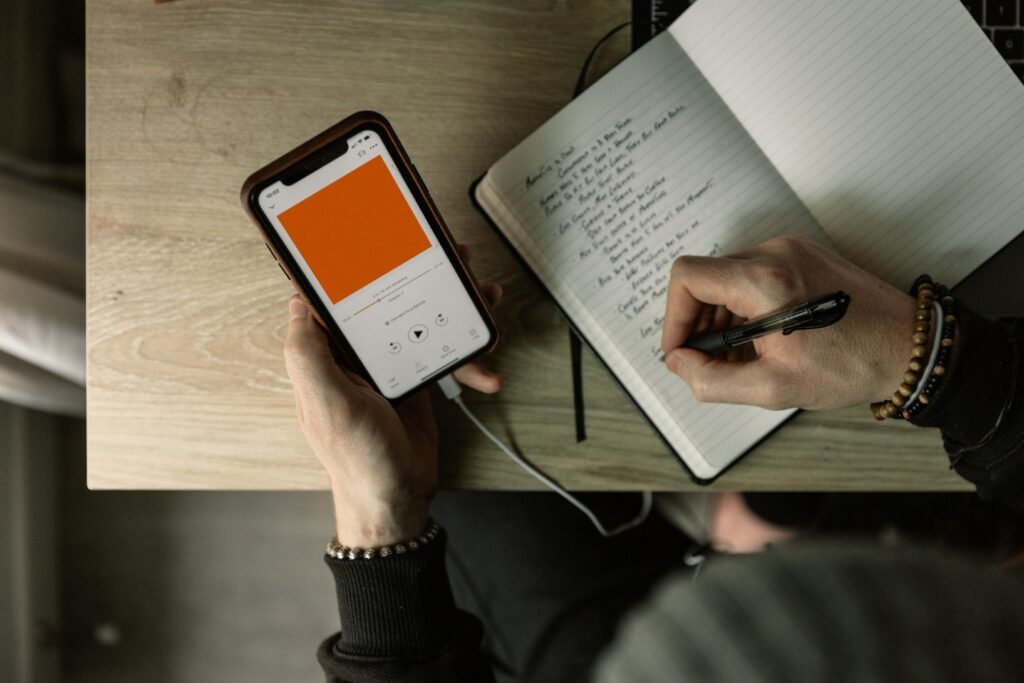
Youper and Earkick fall into this category. They blend conversational AI with data-driven insights, helping users understand the patterns in their emotional states over time. This approach is especially useful for people who want to move beyond just venting and start understanding why they feel the way they do.
3.AI Companion Apps
Replika, which now has over 10 million users, leans heavily into the companionship angle. Users build ongoing relationships with their AI companion, and many report genuine feelings of comfort and connection. These tools are particularly valuable for people dealing with loneliness and social isolation.
4.Anonymous Peer and AI Hybrid Platforms
Some platforms combine AI support with anonymous human connection. This hybrid approach can be powerful because it preserves the safety of anonymity while adding the depth of genuine human interaction. For anyone who has wondered about the benefits of talking to someone anonymously, these platforms offer a structured and safe version of that experience.
5.Voice Based AI Therapy
Sonia represents an emerging category where you speak aloud with an AI therapist rather than typing. This format feels significantly closer to traditional therapy and is particularly useful for people who process emotions better through spoken conversation.
The Practical Impact
Beyond the statistics, the real story of virtual listener apps is told through everyday patterns of use. Consider the following scenarios that reflect common user experiences across these platforms.
1.Scenario One: The late night spiral
It is past midnight. Work stress, relationship friction, and unresolved worry have built up into an overwhelming mental loop. There is no one to call without feeling like a burden. Opening a virtual listener app provides an immediate outlet. The simple act of writing out what is happening begins to slow the spiral. The app asks a clarifying question. The user pauses, thinks, and notices the knot in their chest loosen slightly.
2.Scenario Two: The person who does not believe in therapy
Many adults, particularly men and older generations, carry cultural resistance to formal mental health support. A virtual listener app requires no commitment, no label, and no appointment. It functions as a private thinking space. Over weeks of daily check-ins, patterns emerge. The user begins to understand themselves better. That self-awareness is itself therapeutic, even if the person never calls it that.
3.Scenario Three: Between session support
A person already working with a therapist uses an AI chatbot in the days between appointments to process what came up in their last session. The app helps them stay connected to the emotional material rather than letting it fade before the next visit. This use case is one that many therapists actively encourage.
| Use Case | Best App Type | Key Benefit |
|---|---|---|
| Late-night emotional overwhelm | Open ended listener or companion app | Immediate availability, no judgment |
| Anxiety and repetitive thoughts | CBT based app (Woebot, Wysa) | Structured reframing techniques |
| Understanding emotional patterns | Mood tracking app (Youper, Earkick) | Data-driven insight over time |
| Loneliness and social isolation | Companion app (Replika) | Sense of ongoing relationship |
| Between-session therapy support | Any structured app | Continuity between appointments |
| First step toward professional help | Anonymous listener app | Low-barrier entry point |
Limitations You Should Know About
Honest discussion of AI emotional support requires acknowledging what these tools cannot do.
1.They cannot diagnose or treat
No AI chatbot is a licensed mental health professional. As of 2026, no FDA-approved AI therapy app exists in psychiatry. These tools provide support, not clinical care.
2.They cannot respond to genuine crisis
If someone is experiencing suicidal ideation or acute psychological distress, a virtual listener app is not sufficient. Most responsible apps recognize this and redirect users to crisis lines or professional resources. But the response is still automated, and there is no substitute for a trained human in those moments.
3.They can reinforce avoidance
For some users, the comfort of an AI listener becomes a reason not to seek real human support. This is a documented risk with companion-style apps in particular. The goal of any good virtual listener should be to increase, not replace, your overall capacity for human connection.
4.Privacy concerns remain real
Before using any mental health app, it is worth reviewing their data privacy policies carefully. Conversations you have with an AI may be stored and used to improve the model. Understanding what happens to your data matters.
5.Emotional depth is simulated
An AI can respond with language that sounds empathetic. It cannot feel what you feel. For many users, especially those dealing with grief, trauma, or deep relational pain, the absence of genuine shared experience becomes noticeable over time.
If you notice that you are keeping your feelings inside more than you are expressing them, even within these apps, it may be a sign that a different kind of support is needed.
How to Get the Most Out of a Virtual Listener App
If you decide to use a virtual listener app, here are practical ways to make the experience genuinely useful.
1.Be honest.
The app cannot help you if you are only giving it surface-level answers. Treat it the way you would treat a private journal. Say what you actually feel.
2.Use it consistently.
Apps that track mood and conversation patterns become significantly more useful over time. A single conversation gives you one data point. Thirty days of check-ins gives you a picture.
3.Combine it with other tools
A virtual listener app works best as part of a broader approach to mental wellness. Physical exercise, quality sleep, and releasing emotional stress through healthy outlets all amplify the benefits you get from digital support.
4.Do not use it as your only support
If you find yourself relying exclusively on an AI chatbot for emotional support, treat that as a signal to expand your support network. The goal is connection, not substitution.
5.Know when to escalate
If what you are feeling goes beyond daily stress and into something that consistently interferes with your ability to function, that is when human support becomes necessary. Talking to someone about stress with a trained listener, whether a therapist or a trusted human, provides something AI genuinely cannot.
| Best Practice | Why It Matters |
|---|---|
| Be fully honest in conversations | The app tailors responses based on what you share |
| Use it daily for at least 2-4 weeks | Patterns only emerge with consistent data |
| Pair it with physical wellness habits | Exercise and sleep amplify emotional resilience |
| Revisit your goals monthly | Your needs shift; the tool should serve them |
| Reach out to a human if you are struggling | AI is a bridge, not a destination |
Frequently Asked Questions
Are virtual listener apps a replacement for therapy?
No. Virtual listener apps are designed to complement professional mental health care, not replace it. They work well for daily emotional maintenance, mild anxiety, stress relief, and building self-awareness. If you are dealing with a clinical condition like major depression, trauma, or an anxiety disorder, a licensed therapist remains the appropriate first line of support.
Is it safe to share personal feelings with an AI chatbot?
Generally yes, but with an important caveat. Review the privacy policy of any app before using it. Reputable platforms take data security seriously and are transparent about how conversations are stored and used. Avoid sharing sensitive personal information such as financial details or full identifying information in any digital platform.
Do AI listener apps actually help with anxiety?
Research suggests they can, particularly for mild to moderate anxiety. Apps that use CBT-based approaches have shown measurable results in clinical studies. Over 92% of young users in research published jointly by RAND and JAMA found AI mental health support helpful. Consistent use over several weeks tends to produce the most meaningful results.
Can I use an AI chatbot if I feel emotionally numb or disconnected?
Yes, and many people find these apps particularly useful in those states. When you feel too detached to reach out to another person, the low-stakes nature of an AI conversation can serve as a gentle re-entry point. If you often feel emotionally disconnected for no clear reason, a virtual listener app can help you begin to identify what is underneath that feeling.
Are these apps suitable for people who have never tried any form of mental health support before?
Absolutely. In fact, this is one of the most valuable use cases. For someone who has never spoken to a therapist and feels uncertain about where to start, a virtual listener app offers a private, commitment-free starting point. It helps you get used to articulating your inner experience without any social risk. Many people who begin with an AI listener eventually become more comfortable seeking human support as well.
What should I do if I feel worse after using a virtual listener app?
Stop using it and speak to a human. Some people find that certain app interactions intensify rather than relieve emotional distress, particularly if the content touches on unresolved trauma. If you are in a difficult place emotionally, talking to someone privately and in real time may be more appropriate than an AI conversation.
Conclusion
AI chatbots and virtual listener apps have moved far beyond novelty. In 2026, they represent a legitimate and increasingly research-supported form of emotional support that reaches people who would otherwise go unsupported entirely. The scale of unmet mental health need is enormous, and these tools are quietly filling a gap that traditional care systems have not been able to close.
That said, using them wisely matters. They work best when you approach them honestly, use them consistently, and treat them as one part of a broader commitment to your own mental wellness rather than a complete solution. The right app will not fix everything, but it can give you a place to start, a way to process what you are carrying, and a small but meaningful sense that you do not have to do this alone.